AI Product Photography vs Traditional Photography: Which Is Better in 2026?
AI product photography vs traditional photography in 2026: which is better for ecommerce, Shopify, and ads? Compare cost, quality, and use cases.


A few years ago, product photography meant one thing: lights, props, a camera, and a lot of patience.
Now? You can upload a single image, type a sentence, and get 20 “photos” that look like a full studio shoot - without using a camera, building a setup, or even hiring a photographer.
This raises an uncomfortable question: If AI can generate product photos in seconds, why would anyone still pay for a real photoshoot?
But the part most people miss is: AI doesn’t actually replace photography.
It replaces certain types of photography.
In the quick, repeatable, scalable stuff, AI wins. It's the intentional, emotional, brand-defining stuff where humans are still needed.
In this guide, I’m not going to tell you that AI is “the future” or that photographers are “obsolete.” I’ve used both, and they solve very different problems.
Let’s break down where AI product photography actually works, where it falls short, and how to decide what your business really needs in 2026.
What Is AI Product Photography?
AI product photography uses tools to generate or enhance product images without a traditional photoshoot.
Instead of setting up lighting, props, and cameras, you can:
- Remove or replace backgrounds
- Generate lifestyle scenes
- Create ad-ready visuals
- Place products on AI-generated models
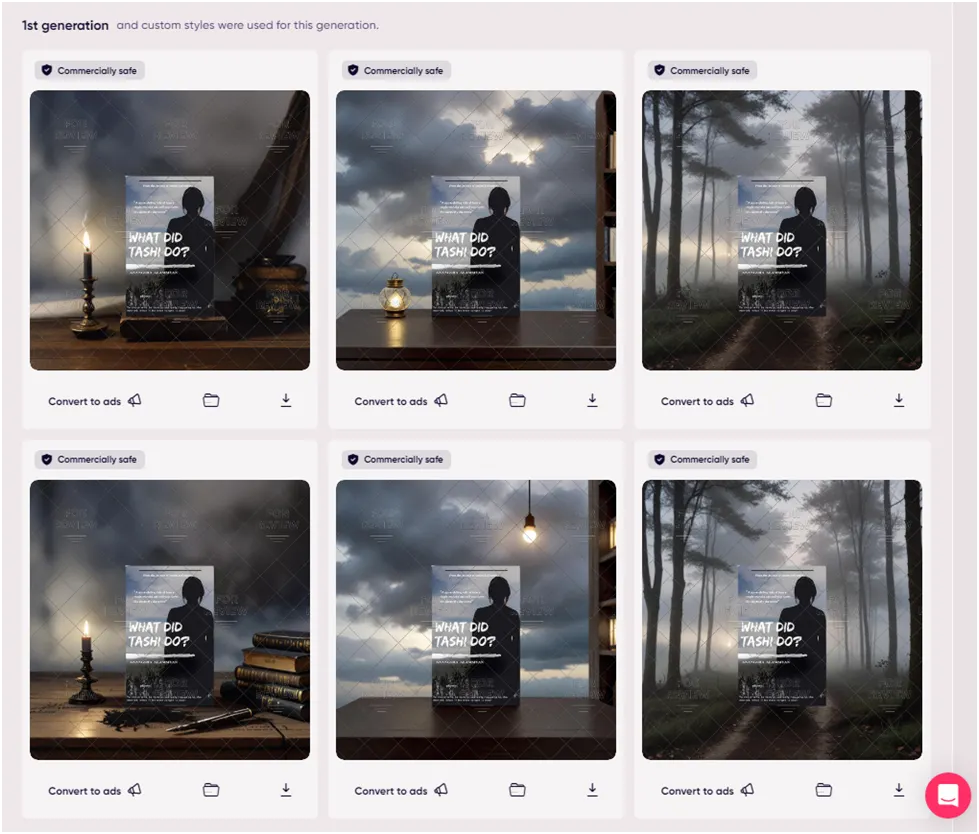
Tools like AdCreative.ai can turn a single product image into multiple ad creatives.
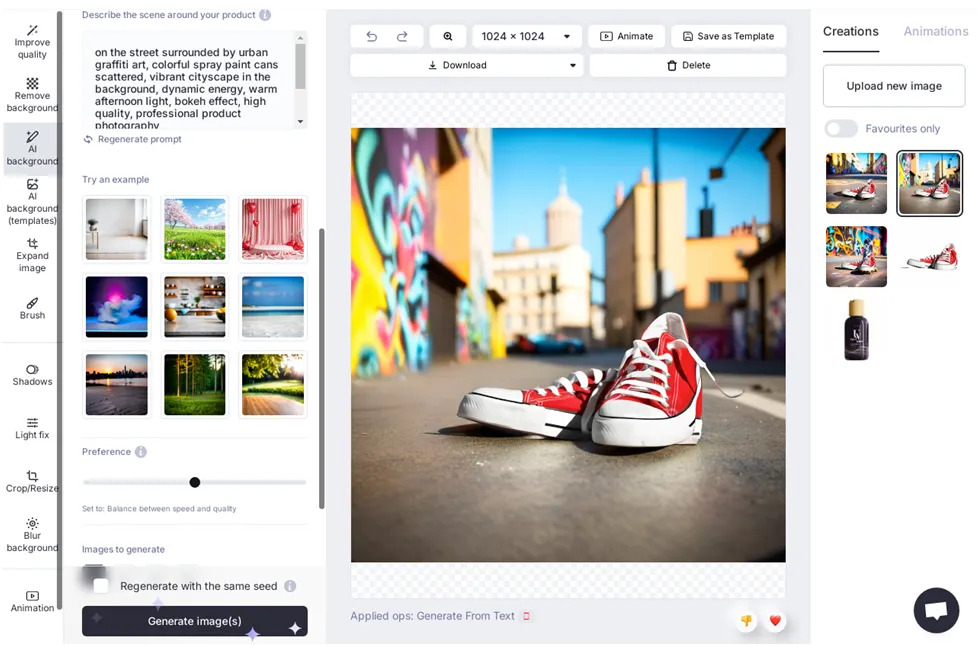
CLAID.AI focuses on clean, ecommerce-ready backgrounds for catalogs and listings.
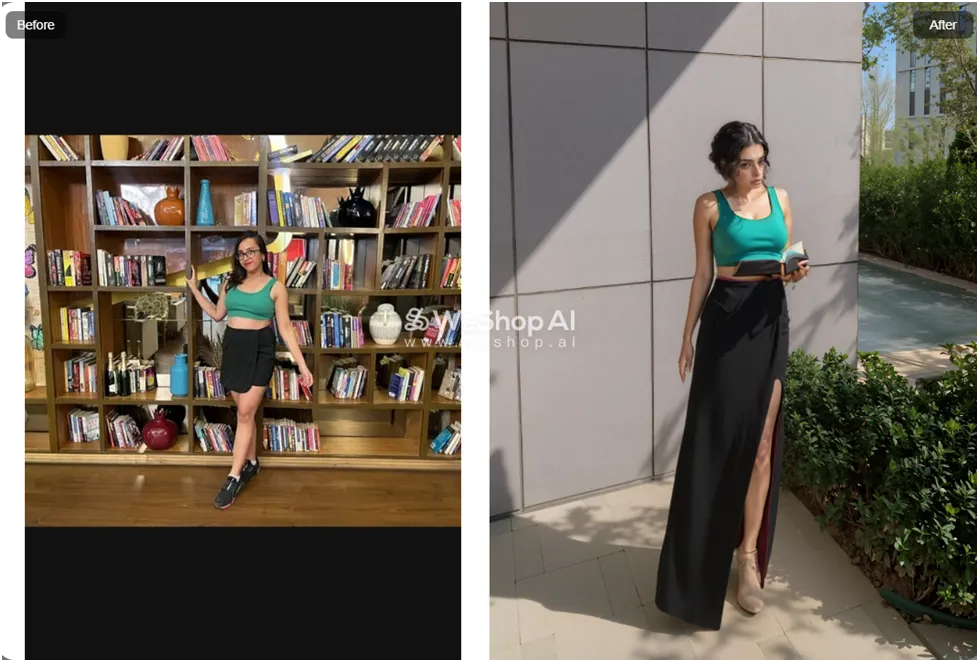
If you’re in fashion, tools like WeShop AI even let you generate product photos with AI models.
The biggest advantage? Speed and scale.
What Is Traditional Product Photography?
Traditional product photography involves real-world setups:
- Studio lighting
- Physical props and backgrounds
- Professional cameras and lenses
- A photographer’s creative direction
This approach is still the gold standard for:
- Premium branding
- Luxury products
- Emotional storytelling
- High-end campaigns
You’re not just getting a photo, you’re getting intentional composition and artistic direction.
AI Product Photography vs Traditional Photography: Key Differences
1. Speed and Scalability
AI wins, by far.
With AI tools, you can generate dozens of product images in minutes. This is ideal for:
- Ecommerce catalogs
- Social media content
- Ad variations
Traditional photography takes time: planning, shooting, editing, revisions.
2. Cost
AI is significantly cheaper.
Most AI product photography tools start under $10–$25/month. You can create unlimited variations without additional cost.
Traditional photography can cost:
- $50 to $500+ per shoot
- Plus editing, props, and logistics
For small businesses, AI is often the only scalable option.
3. Realism and Detail
This is where traditional photography still wins.
AI tools have improved massively, but they can still struggle with:
- Fine details
- Realistic shadows and reflections
- Human elements (hands, models, textures)
Even tools like WeShop AI, while impressive for AI model photography, can occasionally produce distortions.
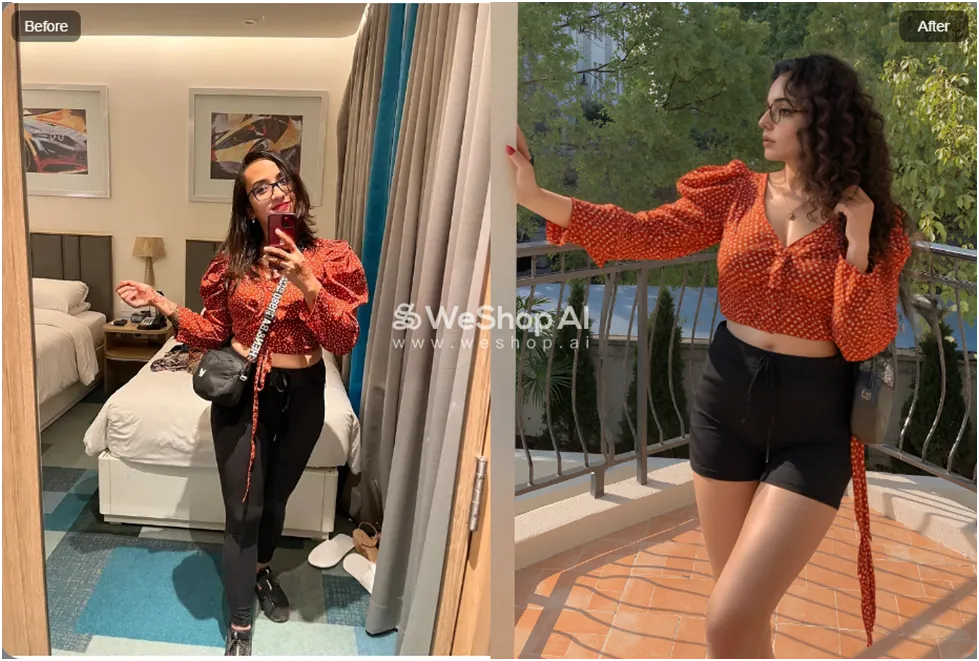
A skilled photographer, on the other hand, captures details with precision and consistency.
4. Creative Control
It depends.
AI gives you:
- Fast iteration
- Multiple variations
- Prompt-based customization
But traditional photography gives you:
- Full creative direction
- Control over every element
- Unique, non-replicable visuals
AI is flexible. Humans are intentional.
5. Best Use Cases
Use AI product photography when:
- You need images at scale
- You’re running ads or testing creatives
- You’re building an ecommerce catalog
- You’re on a budget
Use traditional photography when:
- You’re launching a premium product
- You need emotional storytelling
- You want brand-defining visuals
- You’re building a luxury or high-end identity
Which One Is Better in 2026?
Neither is better or worse. The best strategy is using both.
AI product photography is perfect for:
- Speed
- Volume
- Cost efficiency
Traditional photography is essential for:
- Brand identity
- Emotional connection
- Standout visuals
Smart brands in 2026 are combining both:
- AI for daily content, ads, and scale
- Photographers for hero shots and campaigns
Final Verdict
AI product photography is no longer a “nice-to-have.” It’s a core part of modern ecommerce.
But it hasn’t replaced photographers—it’s changed how they’re used.
If you’re just starting out, AI tools like AdCreative.ai, CLAID.AI, and WeShop AI can help you create high-quality product images quickly.
As you grow, investing in professional photography will help you stand out in a crowded market.
The future isn’t AI vs humans. It’s AI + humans.
Affiliate Disclosure: This article contains affiliate links. If you purchase through them, I may earn a small commission at no extra cost to you.