AI Voice Generators vs Human Voice Actors: Which Is Better in 2026?
AI voice generators are improving fast—but can they replace human voice actors? Here’s how AI tools like ElevenLabs, RecCloud, and Murf.ai compare in 2026.


Over the past two years, AI voice generators have improved dramatically. What once sounded robotic and stiff now sounds surprisingly natural. Tools like ElevenLabs, RecCloud, and Murf.ai can generate voiceovers in seconds that are clear, expressive, and usable for real content.
For creators, marketers, and entrepreneurs, the big question in 2026 is:
Should you use an AI voice generator or hire a human voice actor?
After testing more than 25 tools for a recent guide on the best AI voice generators, I realized the answer isn’t simple. AI voices are incredibly useful, but they don’t replace human voice actors in every situation.
Let’s break down where each option shines.
AI Voice Generators: Fast, Affordable, and Scalable
AI voice generators convert written text into speech using advanced text-to-speech models. Modern tools analyze human speech patterns, pauses, and tone to create audio that sounds surprisingly realistic.
For many creators, this is a game changer.
Instead of spending hours recording, editing, and re-recording voiceovers, you can generate them instantly.
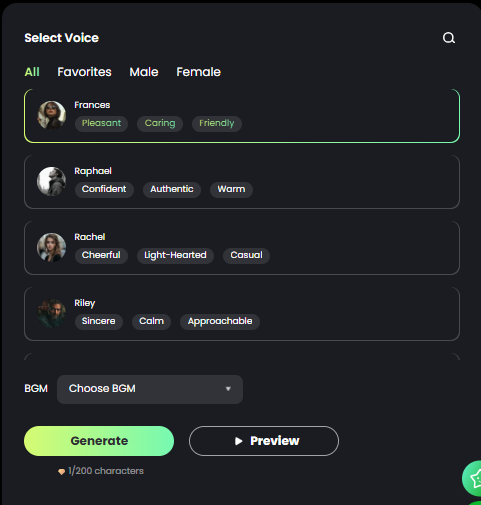
Some of the best AI voice generators I tested include tools like ElevenLabs, RecCloud, and Murf.ai. These platforms allow you to paste a script, choose a voice, and generate audio in seconds.
For example:
ElevenLabs is widely known for its ultra-realistic voice generation and voice cloning. It can generate narration suitable for audiobooks, YouTube videos, and podcasts.
RecCloud offers a fast text-to-speech workflow with hundreds of voice options and the ability to generate long scripts quickly. It’s particularly useful for creators producing regular video content.
Murf.ai stands out for customization. You can control pitch, speed, tone, and emphasis, making it easier to match the voiceover to your content style.
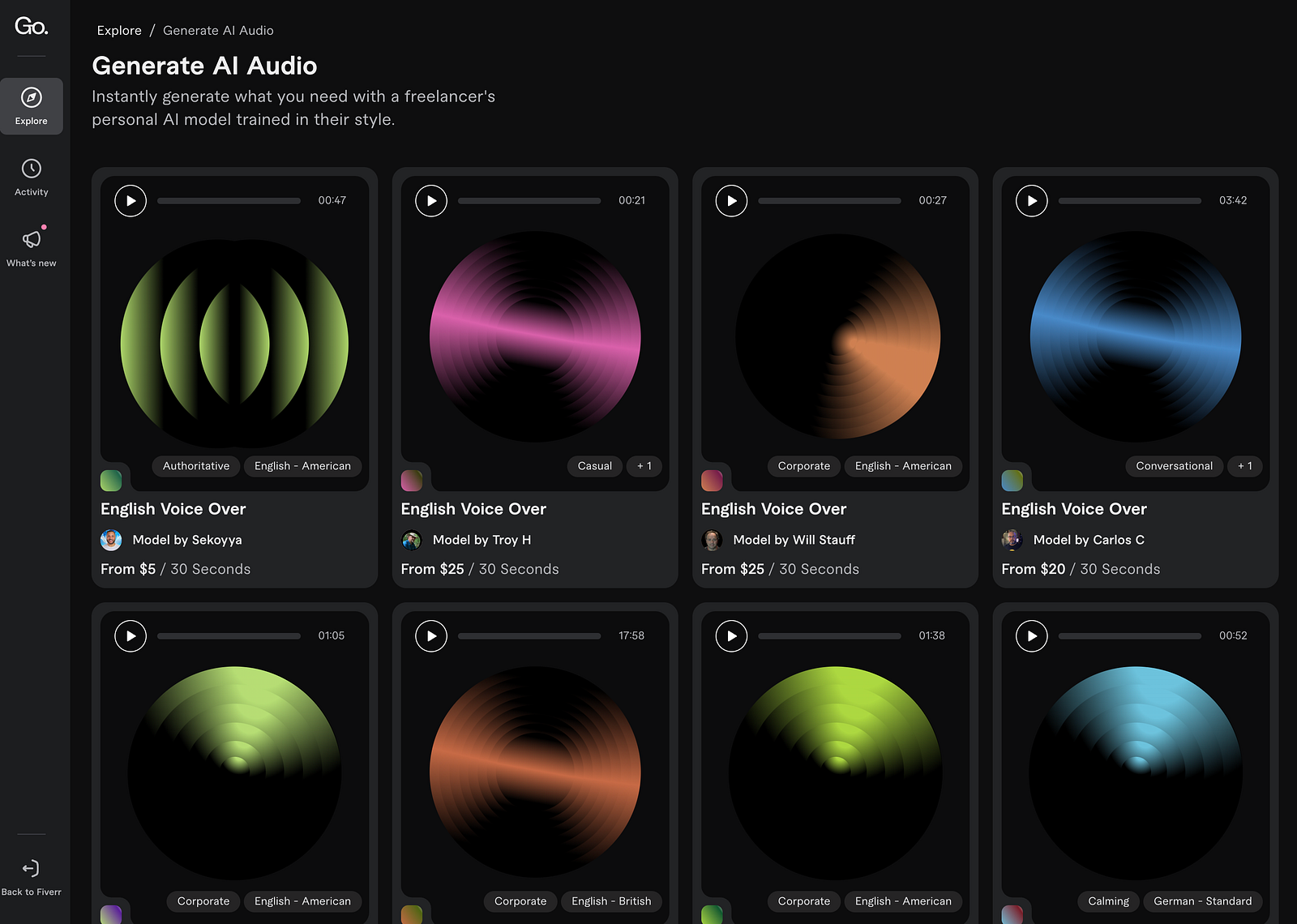
Another interesting approach comes from Fiverr Go, which blends AI with human creativity. Instead of relying purely on synthetic voices, Fiverr’s AI voice generator is trained on real voice actors. This means you still get AI speed, but with voices based on actual performers.
For creators who publish frequently, especially on YouTube, social media, or online courses, AI voice generators can save an enormous amount of time.
Where AI Voice Generators Work Best
AI voice tools are ideal when speed and scale matter.
For example, many creators now use AI voice generators for:
- YouTube narration
- Explainer videos
- Social media content
- E-learning modules
- Blog-to-audio conversions
If you run a faceless YouTube channel or produce a lot of educational content, recording voiceovers manually for every video can become exhausting.
In these cases, AI tools like ElevenLabs or RecCloud make production dramatically faster.
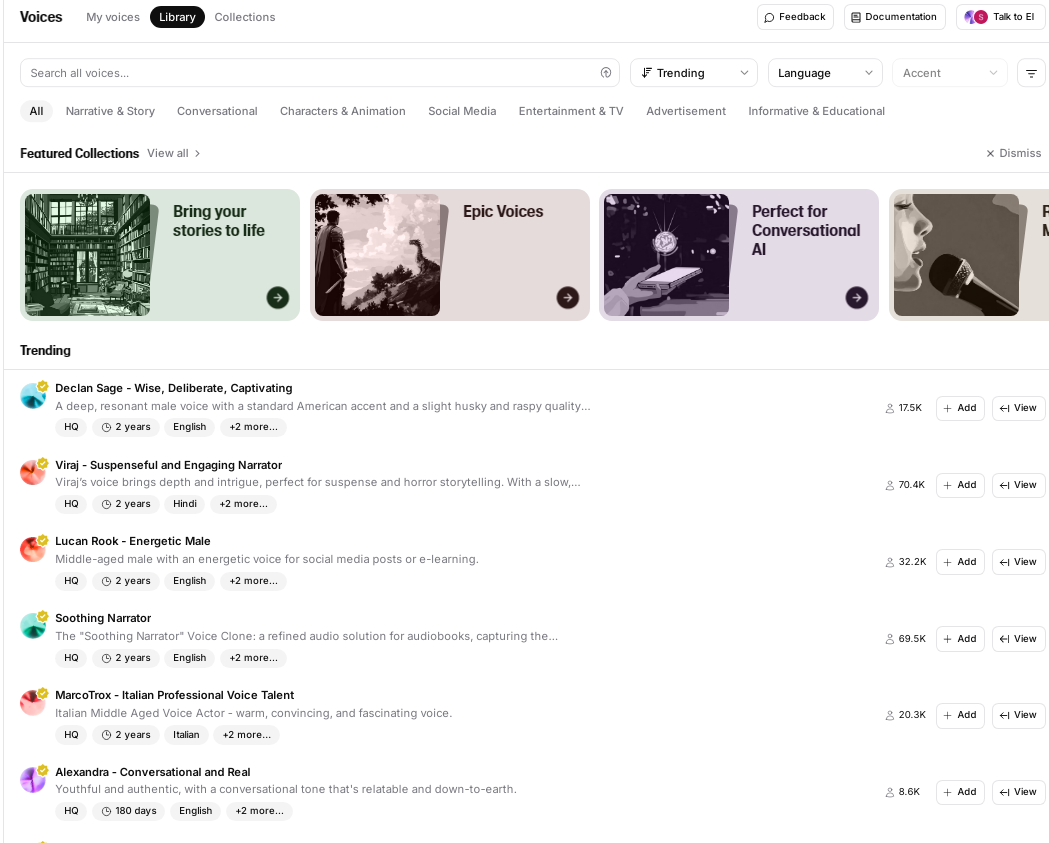
Another advantage is language support. Many AI voice generators can produce narration in dozens of languages, making it easier to reach international audiences.
For creators working across multiple platforms, AI voices provide a flexible and scalable solution.
Where Human Voice Actors Still Win
Despite all the progress in AI, human voice actors still outperform AI in one critical area: Emotion.
Real voice actors can adjust tone, pacing, and emphasis in subtle ways that AI still struggles to replicate.
For storytelling-heavy content, like documentaries, animated videos, or emotional brand campaigns, a human voice often feels more authentic.
A professional voice actor can also interpret a script, not just read it. They understand context, mood, and intention.
This becomes especially important for:
- Brand advertisements
- Character voices
- Narrative storytelling
- High-end commercial productions
In these cases, the human element makes a noticeable difference.
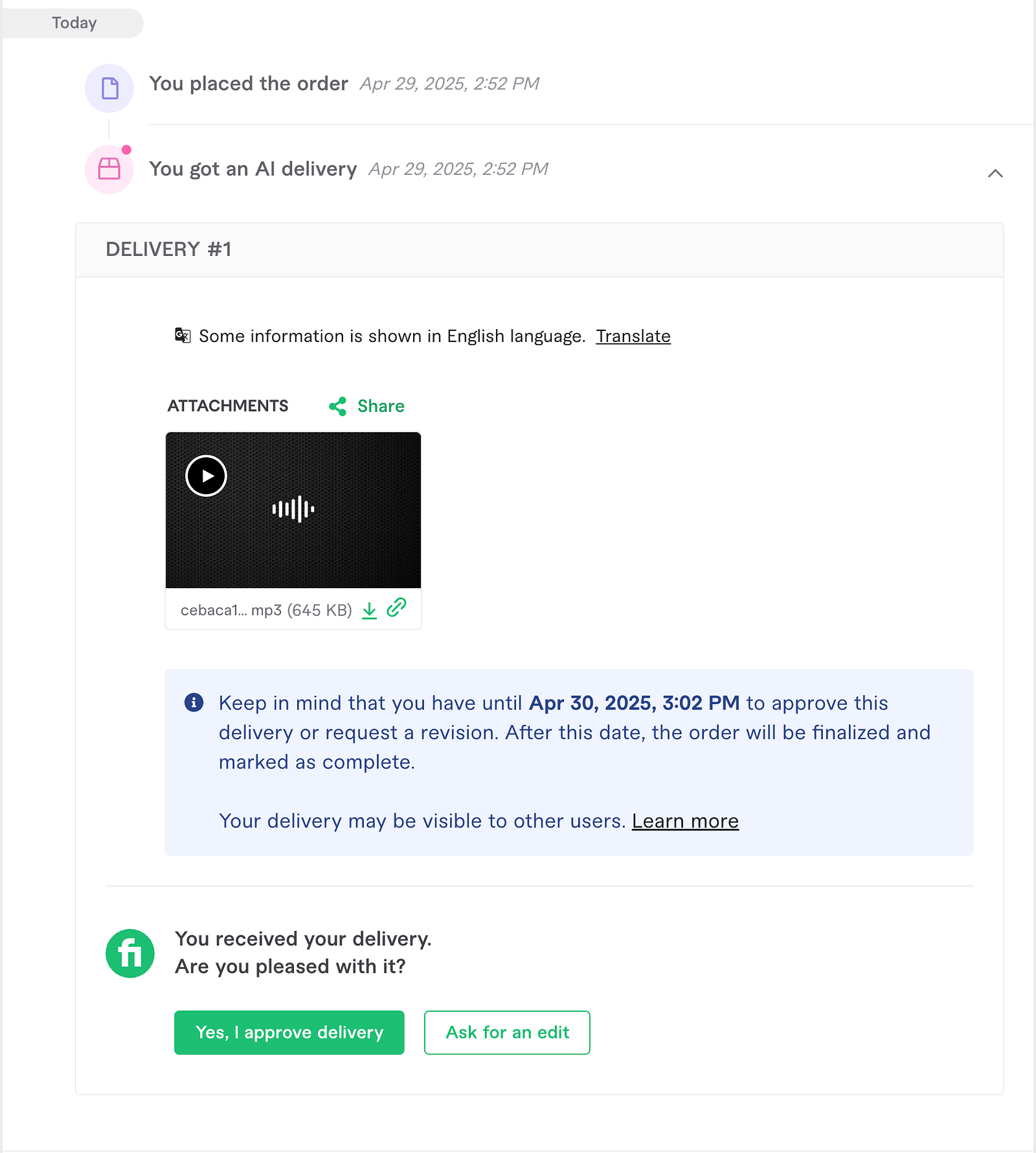
That’s one reason platforms like Fiverr continue to be popular. You can hire experienced voice actors who deliver nuanced performances that AI still can’t fully match.
The Hybrid Approach Many Creators Use
Interestingly, many creators in 2026 use both AI and human voices.
AI voice generators are used for:
- Routine content
- Short-form videos
- Internal training materials
- Draft voiceovers
Human voice actors are used for:
- Premium brand content
- Narrative storytelling
- Major product launches
- High-stakes marketing campaigns
This hybrid approach combines the speed of AI with the emotional depth of human performance.
For example, a creator might use an AI tool like Murf.ai or RecCloud for weekly YouTube videos, while hiring a voice actor from Fiverr for a flagship brand campaign.
So Which Is Better in 2026?
The answer depends on what you’re creating.
If your priority is speed, scalability, and low cost, AI voice generators are incredibly powerful. Tools like ElevenLabs, RecCloud, and Murf.ai can produce high-quality voiceovers in seconds.
But if your content relies heavily on emotion, storytelling, or character performance, a human voice actor is still the better choice.
AI voices are improving every year, but the human voice still carries something difficult to replicate: genuine emotional nuance.
In reality, the smartest creators don’t choose one or the other. They use both.
Affiliate Disclosure: This article contains affiliate links. If you purchase through them, I may earn a small commission at no extra cost to you.