AI Website Builders vs WordPress: When Speed Beats Control


WordPress is still the gold standard for control, flexibility, and long-term SEO.
That hasn’t changed.
What has changed in 2026 is this: not every website needs WordPress anymore.
After building the same IWCON 2025 website across 20+ AI website builders, I realised the real decision isn’t AI vs WordPress. It’s speed vs control — and knowing when speed actually matters more.
Where WordPress still wins (no debate)
If your website is meant to grow over time, WordPress remains hard to beat.
WordPress is still the better choice if:
- Content and SEO are your primary growth channels
- You need a powerful blog or CMS
- You want full control over structure, plugins, and performance
- You’re building something meant to last years, not weeks
AI website builders are improving fast, but they don’t yet replace WordPress for content-heavy or SEO-first sites.
Where AI website builders clearly win
That said, many of the sites people build today don’t actually need WordPress-level complexity.
AI website builders shine when:
- You need to launch fast
- The site has a clear, finite goal (event, service, MVP, campaign)
- You don’t want to manage plugins, themes, or hosting
- You’d rather edit than configure
In my IWCON test, this difference became obvious very quickly.
Example 1. Durable: shipping beats tweaking
With Durable, I went from prompt to a fully live conference website in under ten minutes.
The layout was clean, mobile-ready, and structurally sound without touching a single setting.
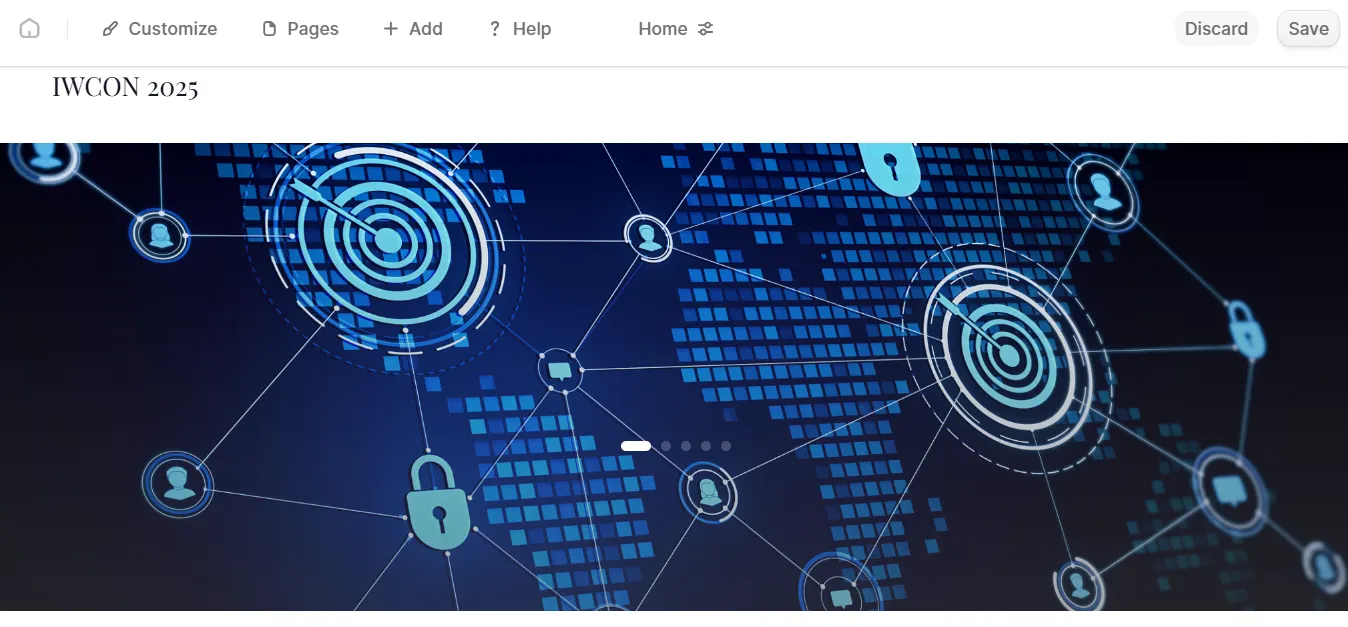
Sure, WordPress have given me more control, but I'd still be picking a theme and installing plugins at that point.
Why speed won here:
IWCON is an event site. It needed to exist quickly, look professional, and convert visitors — not become a long-term content engine.
Example 2. Readdy: structure without CMS overhead
Readdy took a different approach. Instead of immediately generating the site, it showed me a section blueprint first — Hero, Speakers, Schedule, Registration, FAQs.
Once approved, it generated realistic copy, working forms, and SEO metadata — all without touching a CMS dashboard.
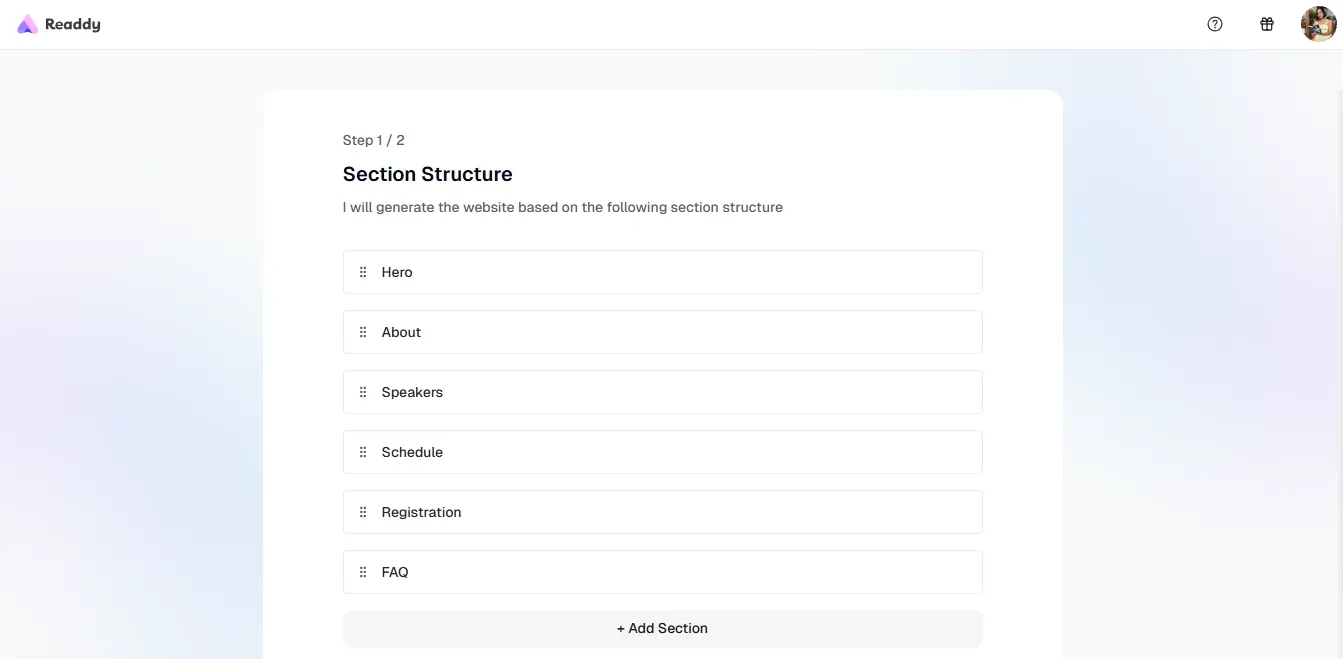
In WordPress, this would have meant:
- Choosing a theme
- Installing form plugins
- Setting up SEO plugins
- Styling everything manually
Why speed won here:
For a structured, conversion-focused site, Readdy removed all the setup friction without sacrificing clarity.
Example 3. Mobirise: when control starts to matter again
Mobirise sits in an interesting middle ground.
It generated a bloated site at first: too many pages and sections. It even required cleanup. But once trimmed, it gave me:
- Full HTML/CSS access
- ZIP export
- Freedom to host anywhere
This felt closer to WordPress territory, just without the CMS layer.
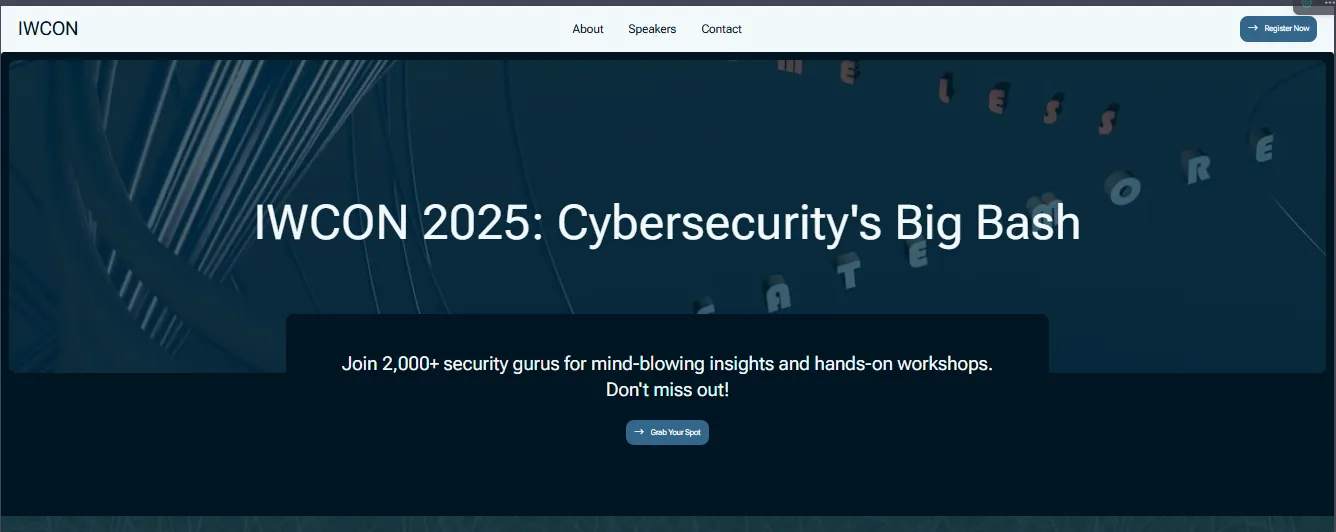
Why control mattered here:
If IWCON were evolving into a long-term content platform, Mobirise (or WordPress) would be the safer bet.
The real takeaway
In 2026, the question is “Do I need WordPress for this?”
- Use AI website builders when speed, simplicity, and launch-readiness matter
- Use WordPress when control, content, and long-term SEO matter
AI builders are launch tools. WordPress is a growth tool.
Choosing the right one is less about trends and more about what you’re actually building right now.
Affiliate disclosure
Some of the links in this article are affiliate links. If you choose to purchase through them, I may earn a small commission at no extra cost to you.
That said, every review, test, and comparison in this piece is based on my own hands-on use of the tools discussed. I test these products with real writing examples, note both strengths and limitations, and include tools only if they add genuine value. Compensation never influences rankings, recommendations, or conclusions.
I believe transparency matters — especially when writing about AI tools — and I’ll always prioritize accuracy and honesty over affiliate incentives.