Best AI SEO Tools for Bloggers (What Actually Helps in 2026)


Bloggers don’t need “enterprise SEO stacks.” They need tools that help them publish better content consistently, without turning SEO into a second full-time job.
After testing 30+ AI SEO tools in real workflows, I’ve found that only a handful actually help bloggers in 2026. Most tools either overcomplicate things or generate content without improving decision-making.
This article focuses on what actually helps if you’re a solo blogger or creator trying to grow organic traffic sustainably.
What bloggers need from AI SEO tools
Before talking about tools, it’s worth clarifying what matters most for bloggers:
- Clear guidance on what to write (not just more ideas)
- Help structuring posts that match search intent
- Light optimization without keyword stuffing
- Ways to improve old posts without rewriting everything
- Tools that respect your voice instead of flattening it
Anything beyond this is usually overkill.
The AI SEO tools that genuinely help bloggers in 2026
These are the tools from my testing that consistently supported blogging workflows — drafting, optimizing, and improving content — without adding unnecessary complexity.
Koala AI
Best for: Bloggers who publish frequently and want SERP-aligned drafts fast.
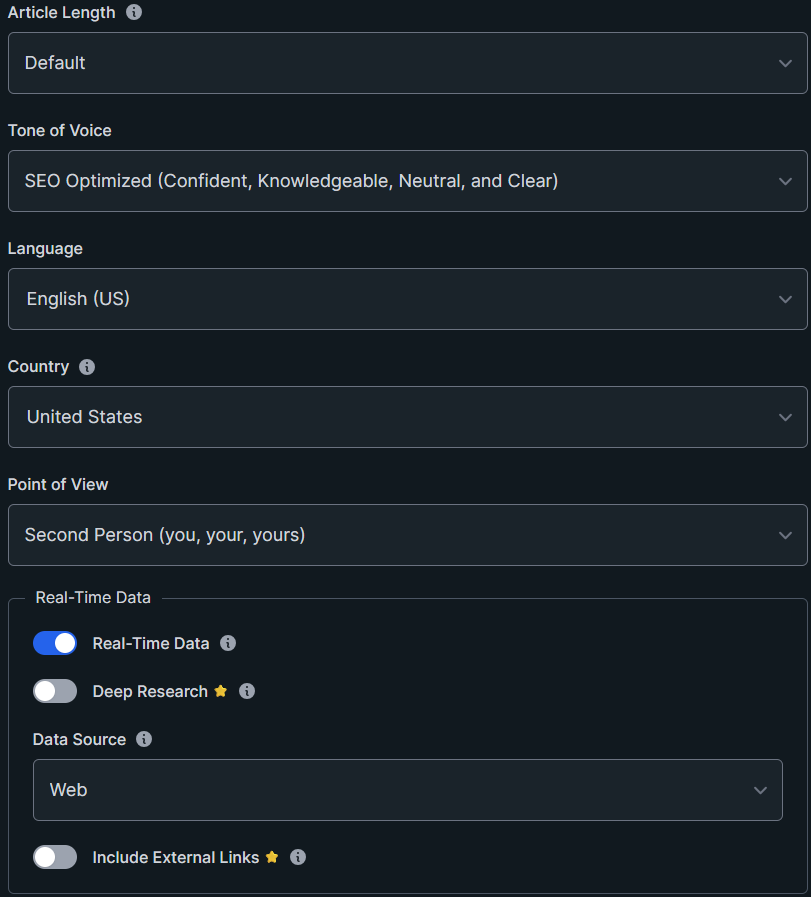
Koala AI is one of the few tools that understands blogging as a process, not just content generation. Instead of blindly writing articles, it analyzes live SERPs and helps structure posts based on what’s already ranking.
What helped me most:
- SERP-based outlines that reduce guesswork
- Internal linking suggestions across your own site
- Ability to improve existing posts, not just create new ones
For bloggers publishing weekly (or more), this alone saves hours.
RankIQ
Best for: Improving old posts and choosing low-competition topics
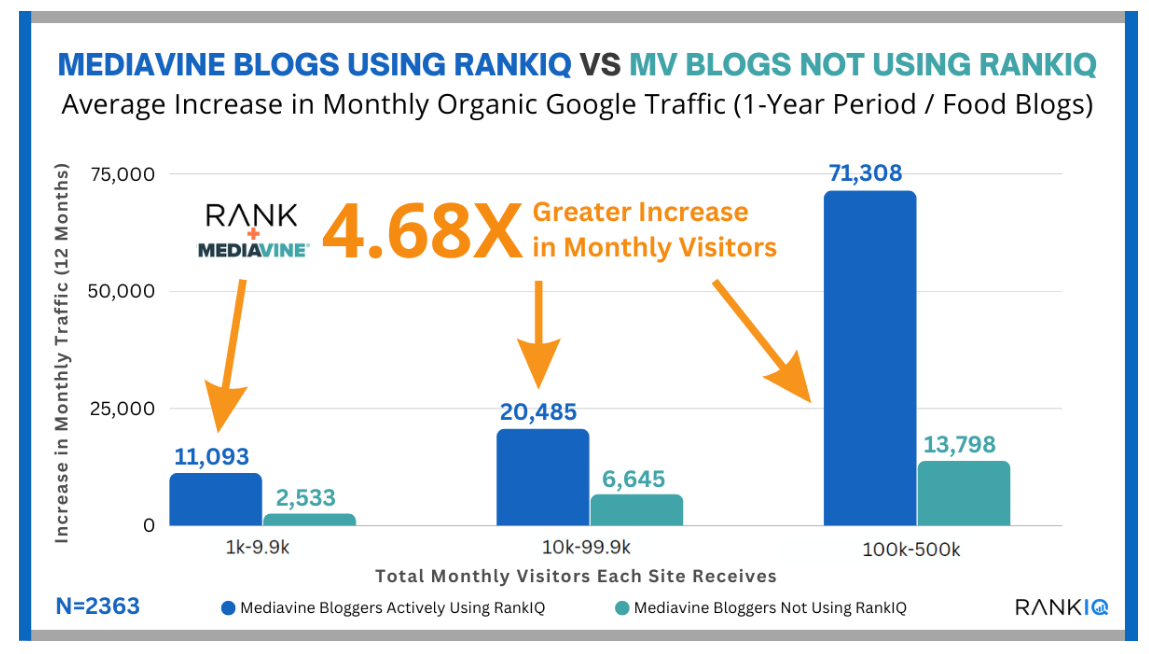
RankIQ is purpose-built for bloggers, and that shows. It focuses on helping your posts rank with clearer structure and better topic selection.
What stood out:
- Niche-specific keyword libraries
- Clear guidance on what to include (and what to skip)
- Fast optimization of underperforming posts
If you already have a content archive, RankIQ is one of the fastest ways to extract more traffic from it.
Surfer SEO
Best for: Bloggers who want precise on-page optimization
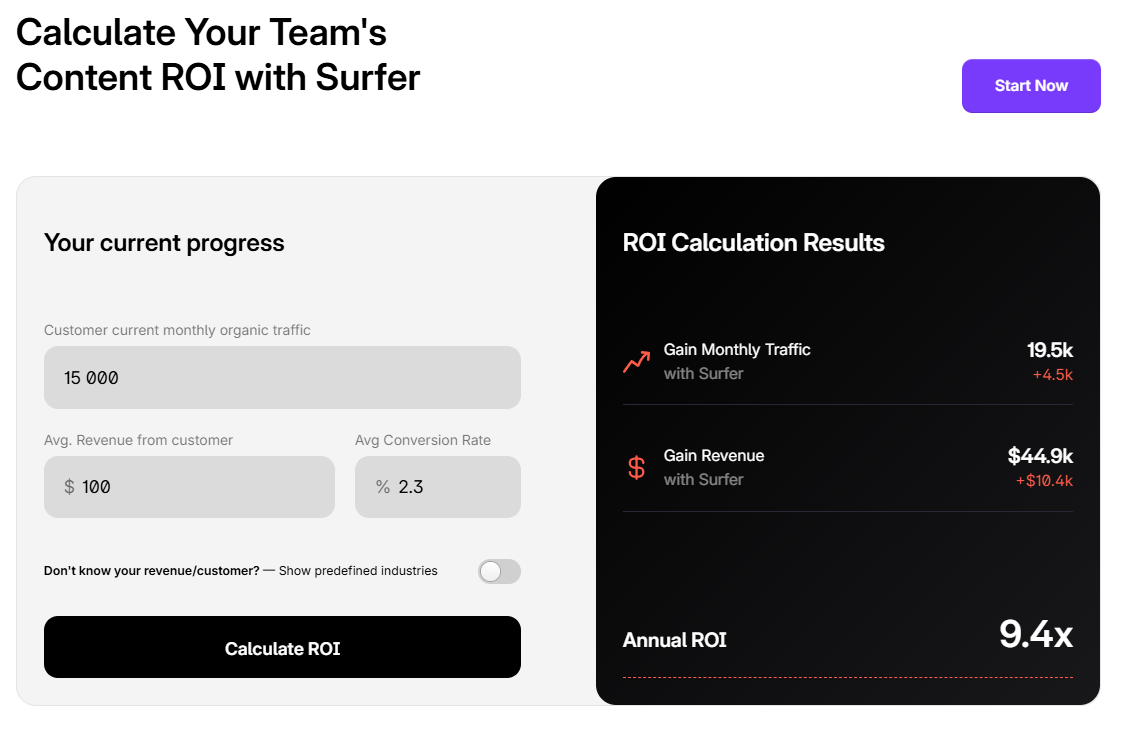
Surfer SEO is more hands-on than most blogging tools, but it’s powerful if you’re willing to engage with optimization details. It’s especially useful when updating important posts or writing cornerstone content.
Where it helps:
- Real-time feedback while writing
- Clear comparisons against top-ranking pages
- Structured suggestions for headings, entities, and internal links
I wouldn’t use it for every post, but for high-impact articles, it’s extremely effective.
Keywordly
Best for: Bloggers building topical authority over time
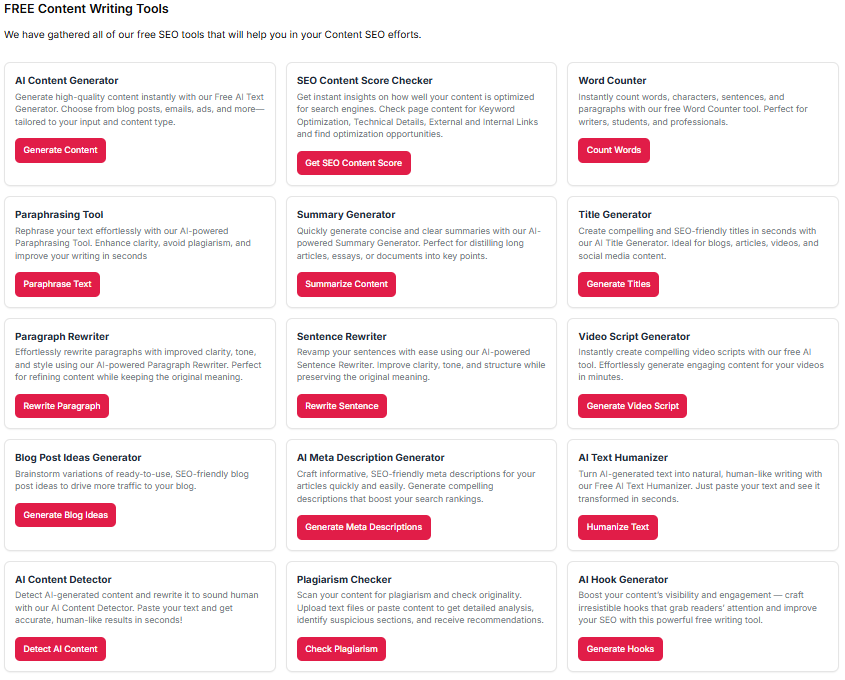
Keywordly shines when you stop thinking in single posts and start thinking in content ecosystems. Instead of chasing random keywords, it helps map clusters and plan content strategically.
What makes it useful:
- Keyword clustering and topical maps
- Content planning aligned with search intent
- Support for optimizing existing articles, not just new ones
For bloggers serious about long-term growth, this kind of planning matters more than writing speed.
Tools bloggers usually don’t need (yet)
From my testing, most bloggers can safely skip:
- Heavy agency-focused platforms
- Fully automated publishing systems
- Tools that promise “hands-free rankings”
These tools often add complexity without improving results, especially for solo creators.
How I’d stack these tools as a blogger
If I were starting today, here’s how I’d use them together:
- Koala AI for drafting and improving posts efficiently
- RankIQ for topic selection and reviving old content
- Surfer SEO for optimizing high-stakes articles
- Keywordly for long-term topical planning
You don’t need all of them at once, even one or two can make a meaningful difference.
How this connects to my full comparison
This article focuses only on blogging workflows. If you want a broader breakdown — including tools for agencies, businesses, automation, and AI visibility — I’ve covered that in detail here:
What’s the Best AI for SEO? I Tested 30+ Tools. Here Are the 8 Worth Using (2026)
Final takeaway
For bloggers, the best AI SEO tools aren’t the loudest or most complex. They’re the ones that:
- reduce decision fatigue
- clarify intent
- and help you publish content you’d still be proud of without AI
That’s what actually compounds traffic in 2026.
Thoughts? Let me know in the comments.
Affiliate disclosure: This article contains affiliate links. If you purchase a subscription through these links, I may earn a small commission at no extra cost to you. Thank you for supporting my work!