Best Tools to Create Your AI Avatars (2026)
AI avatars did not replace creators in 2026? They evolved into practical substitutes when cameras, crews, or editing time didn’t make sense.

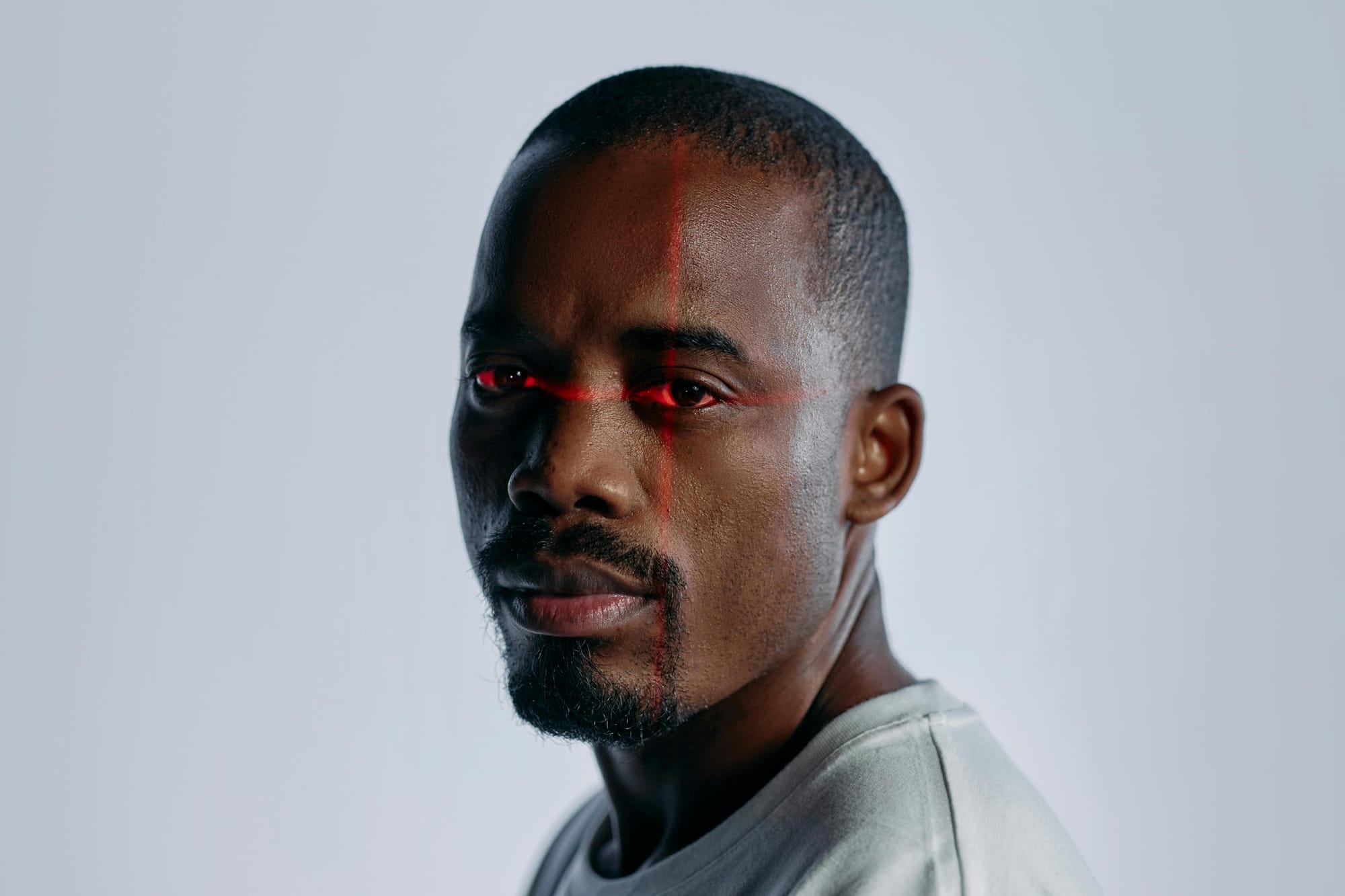
Why “Avatar-Style” Videos Took Over in 2026
Did AI avatars replace creators in 2026?
No! They evolved into practical substitutes when cameras, crews, or editing time didn’t make sense.
Today, avatar-style and AI-generated talking visuals power:
- Educational explainers
- Course modules
- YouTube Shorts and Reels
- Internal training videos
- Marketing demos and walkthroughs
The big shift? These videos finally look usable, not uncanny or overproduced.
What Makes a Good AI Avatar Tool in 2026
The bar is no longer “does it talk.” It’s about believability and speed.
The tools that stand out now share a few traits:
- Natural motion or lip sync
- Clean audio output
- Fast rendering times
- Minimal setup (prompt → result, not 10 sliders)
Top AI Avatar-Style Video Tools
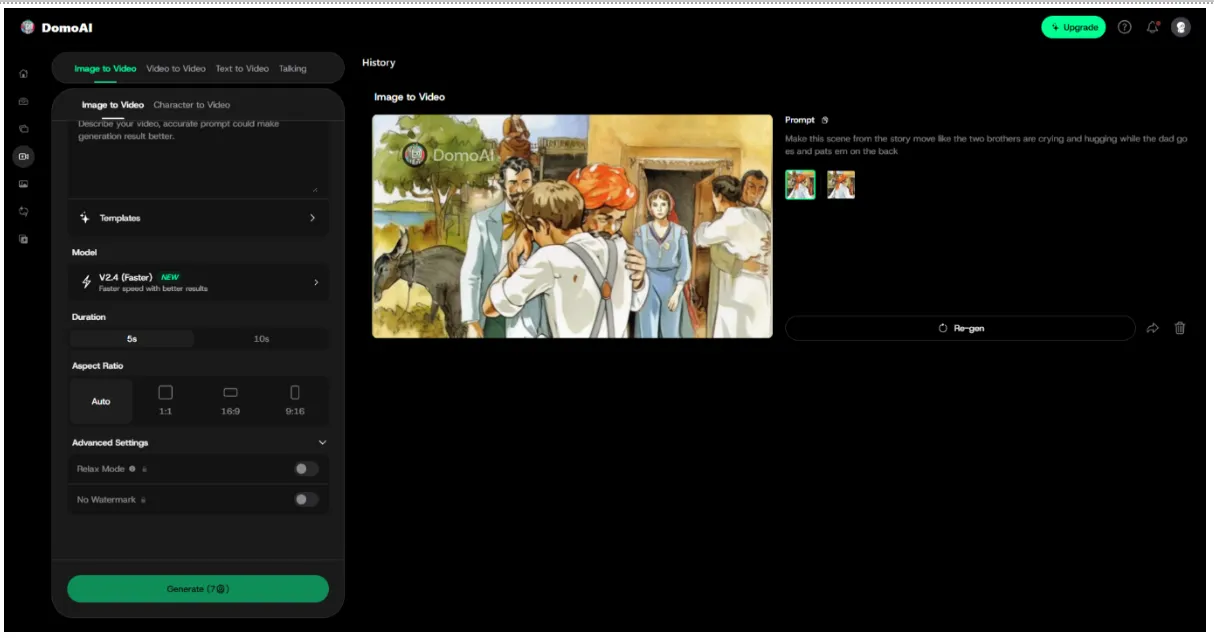
1. DomoAI
DomoAI isn’t a traditional “talking head” avatar tool. Instead of forcing realism, it focuses on stylized, expressive motion. You can animate images, generate character-driven videos, and apply consistent styles that feel intentional rather than robotic.
Why it works for avatar-style content:
- Image-to-video with preserved structure and motion
- Lip-sync and character animation without uncanny faces
- Great for explainers, storytelling, and creative education content
Best for creators who want visual presence without photoreal pressure.
2. RecCloud
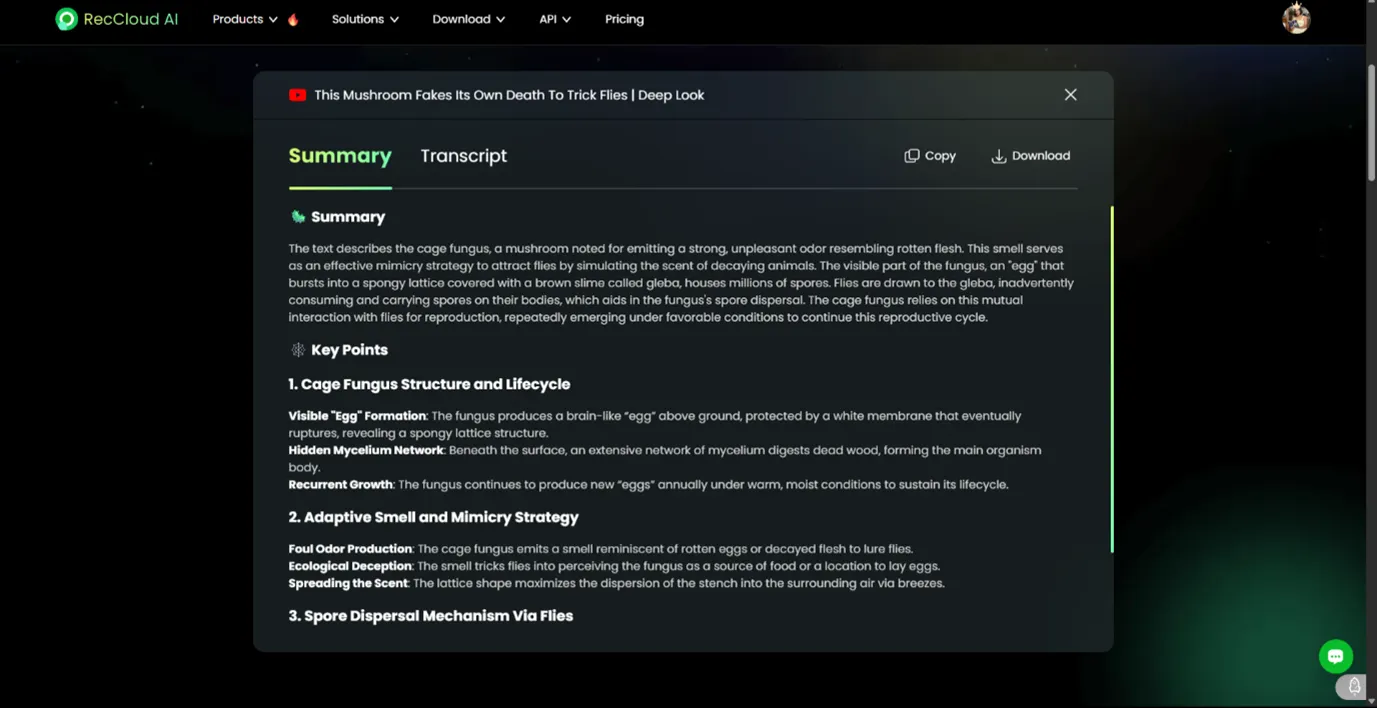
RecCloud approaches avatar-style content from a utility angle.
Instead of flashy avatars, it shines in voice-driven video workflows, turning scripts, lectures, and transcripts into clean, usable video content fast.
Why it works for avatar-adjacent videos:
- Text-to-video and voice narration that sounds natural
- Strong transcription and multilingual support
- Ideal for tutorials, lessons, and explainer formats
Best for educators and professionals who care more about clarity than visual theatrics.
3. DeeVid AI
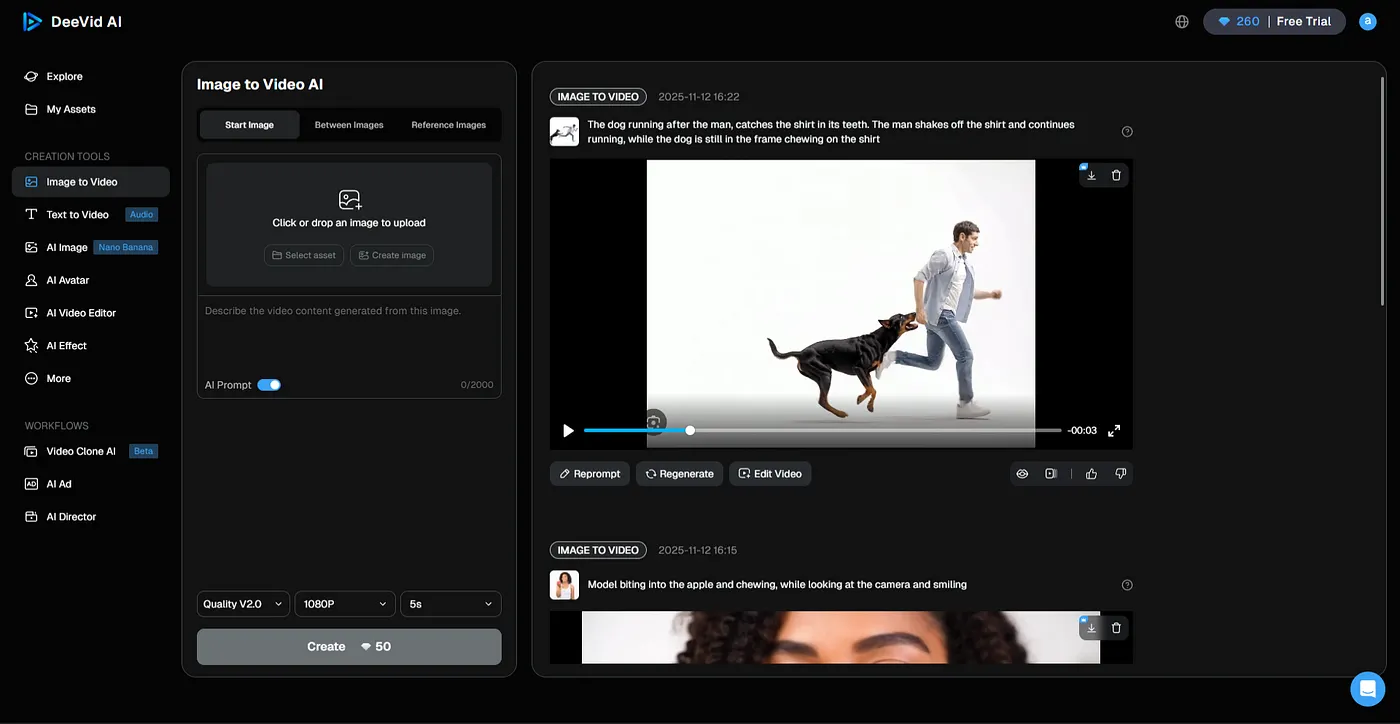
DeeVid AI sits at the intersection of realism and restraint.
You start with an image, and DeeVid adds subtle motion, camera movement, and presence: enough to feel alive, without tipping into awkward animation.
Why it works for avatar-style videos:
- Image-to-video feels grounded and intentional
- Smooth transitions and believable movement
- Excellent for short-form social videos and ads
Best for creators who want human-like motion without full avatars.
Who Should Use These Tools (and Who Shouldn’t)
These avatar-style tools are great if:
- You don’t want to be on camera
- You need repeatable video formats
- You care about speed and consistency
They’re not ideal if:
- You’re making emotional, cinematic storytelling
- You need nuanced facial performance
- You want documentary-level realism
👉 I tested these tools alongside 20+ AI video generators in one full comparison. See the complete rankings and breakdown here: Best AI video generators 2026
🙌 Affiliate Disclosure
This post contains affiliate links. If you purchase through them, I may earn a small commission at no extra cost to you. I only recommend products I trust or use myself. Your support keeps my content journey going — thank you!