Can AI-Assisted Content Rank on Google in 2026? What Actually Matters


Short answer: yes, AI-assisted content can rank on Google in 2026.
Long answer: only if the assistance improves quality instead of masking effort.
After testing 30+ AI humanizers and publishing AI-assisted articles that rank, I’ve learned that Google doesn’t care whether a human or a model typed the first draft. What it evaluates is clarity, accuracy, experience, and intent.
This article breaks down what actually moves rankings in 2026, using real examples from the tools I tested, and where people go wrong.
Google’s position hasn’t changed; the bar has
Google Search has been consistent for years: content isn’t ranked based on how it’s produced, but on how helpful it is.
What has changed in 2026 is the baseline.
- AI-generated content is everywhere
- Generic explanations are no longer enough
- “Clean but empty” writing gets ignored
That’s why AI-assisted content now ranks only when it adds information gain: something new, specific, or experienced.
What actually helps AI-assisted content rank in 2026
1. Meaning preservation beats clever rewriting
One of the biggest ranking killers I see is meaning drift.
Aggressive humanizers often:
- Replace simple claims with vague ones
- Soften conclusions
- Change emphasis without you noticing
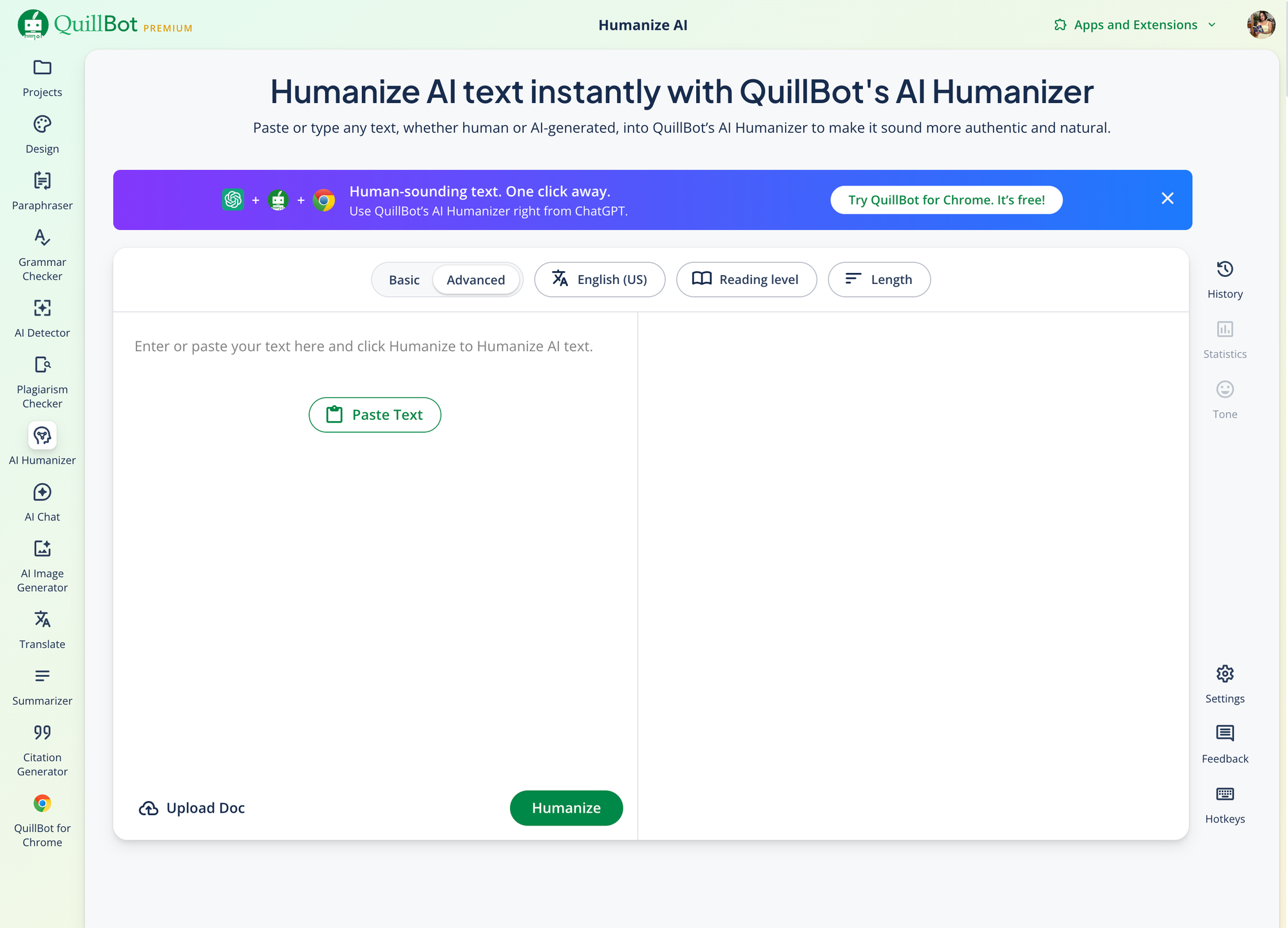
In my tests, tools like Quillbot performed best here but because they edit lightly. When I used Quillbot to clean up AI-assisted drafts, the core argument stayed intact, which matters for topical consistency and SEO.
Ranking reality:
If your article subtly changes its stance or focus across sections, Google struggles to understand what it’s about.
2. Voice consistency across long-form content
Google doesn’t measure “voice” directly but readers do, and reader behavior feeds rankings.
In longer articles (1,500+ words), raw AI drafts often:
- Flatten tone
- Repeat structural patterns
- Sound generic across sections
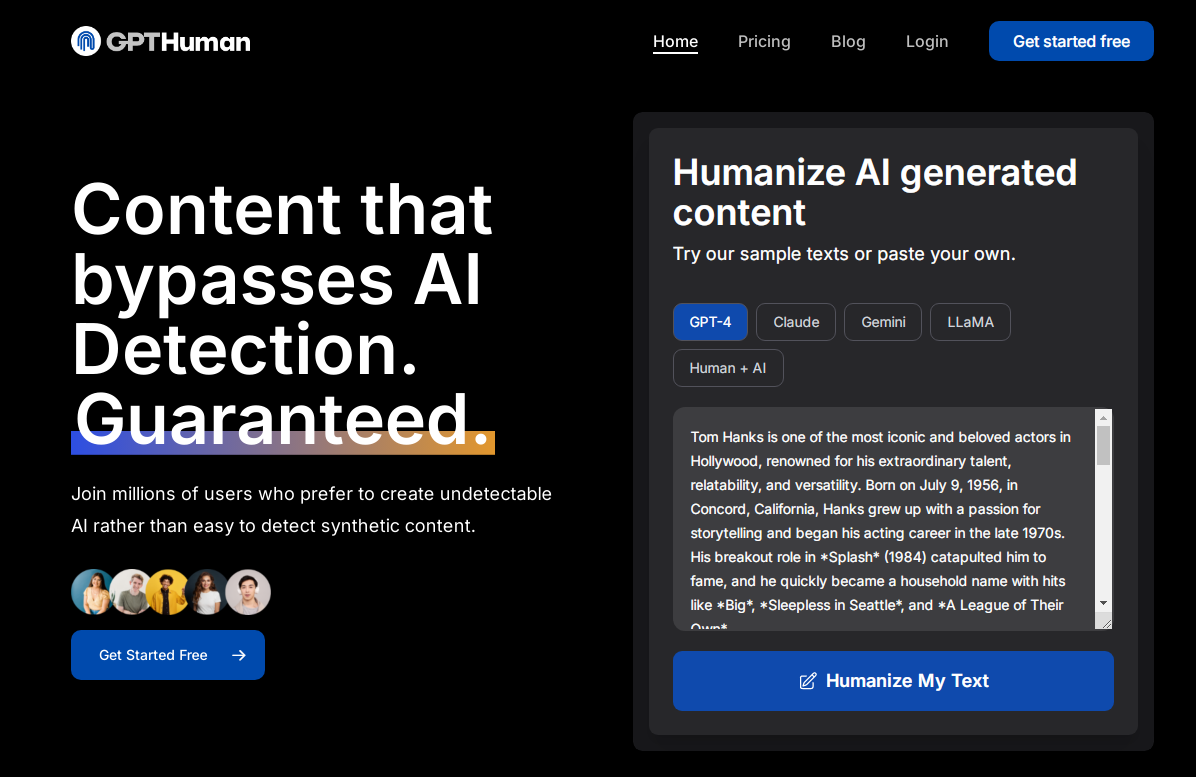
When I tested GPTHuman.ai on long-form blog sections, it helped reduce obvious AI cadence and smooth transitions: as long as I followed up with a human edit. Used blindly, the output still sounded “polished but anonymous.”
Ranking reality:
Articles that feel like they were written by someone, not something, hold attention longer.
3. Editing depth matters more than detector scores
A lot of people still ask: “Will this pass an AI detector?”
That’s the wrong question in 2026.
- Disagree with each other
- Produce false positives
- Change thresholds frequently
Google doesn’t rely on public detector tools. It evaluates content outcomes.
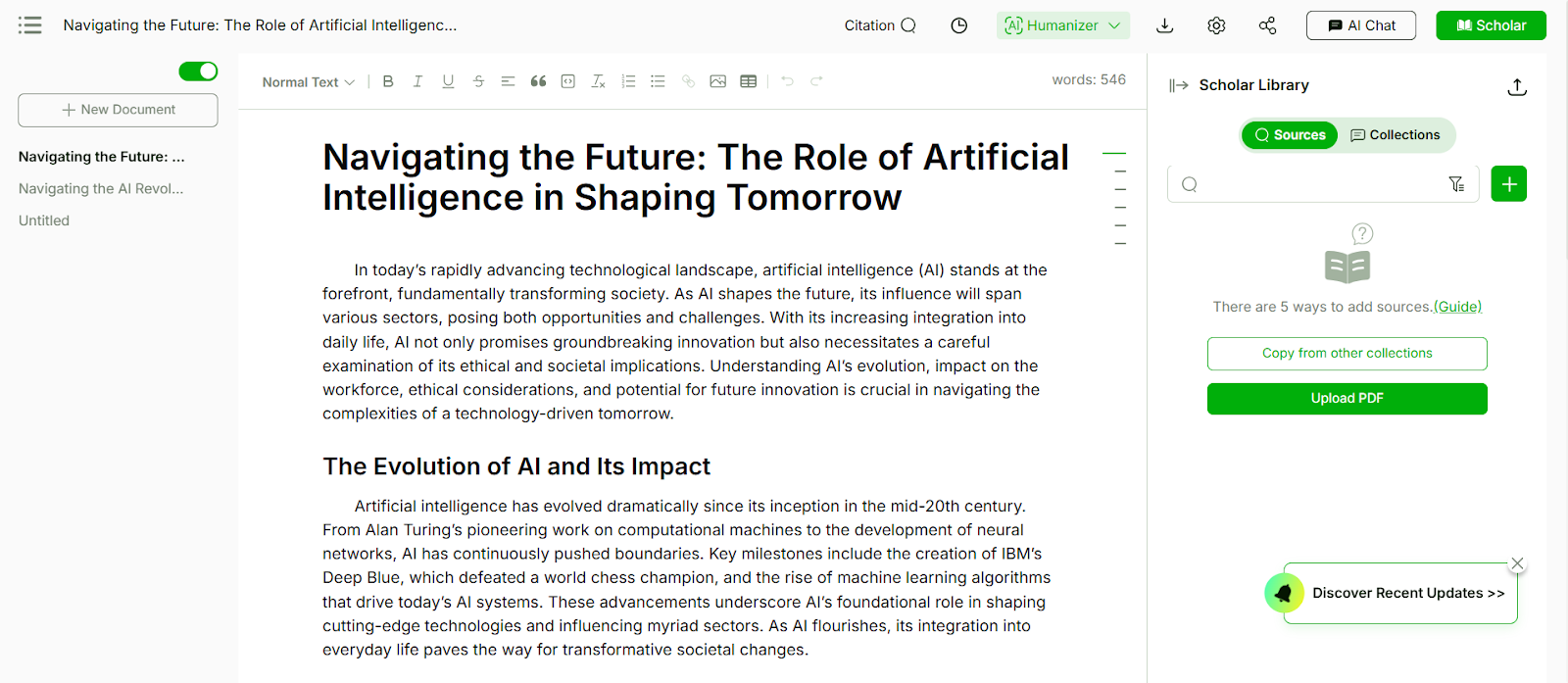
In all-in-one platforms like EssayDone.ai, the workflow (generate → humanize → check) is convenient, but the ranking risk appears when users skip verification. I noticed that heavier rewriting sometimes shifted arguments just enough to require re-checking claims.
Ranking reality:
Google rewards content you can stand behind, not content that looks “safe.”
4. Readability still matters but clarity matters more
Readable doesn’t mean simplified. It means clear.
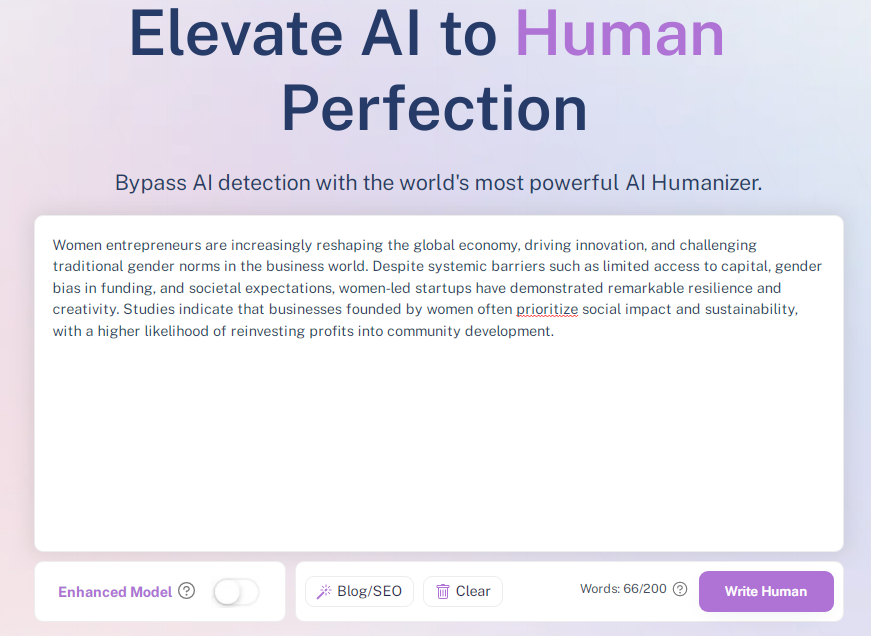
Budget tools like WriteHuman AI improved sentence variation and reduced robotic phrasing in my tests. But readability occasionally dipped: sentences got longer than needed.
A quick read-aloud fixed that.
Ranking reality:
If a human can’t skim and understand your point quickly, neither can a search system trying to summarize it.
What actually hurts AI-assisted rankings
These patterns consistently underperform:
- Over-paraphrased content that loses specificity
- Long articles with no opinion or conclusion
- Tool-generated explanations without examples
- Content written for detectors, not readers
- Articles that say what’s obvious, not what’s learned
AI makes it easier to publish, which means Google now expects more effort, not less.
The workflow that consistently ranks in 2026
This is the only process I trust now:
- Outline with intent (what question am I answering?)
- Draft (AI-assisted is fine)
- Humanize lightly (fix cadence, reduce repetition)
- Human edit for meaning, voice, and judgment
- Publish only what you can defend
Skipping step 4 is where most AI-assisted content fails.
The real answer
AI-assisted content can absolutely rank on Google in 2026. But it ranks because of human decisions, not despite AI involvement.
The tools that perform best are the ones that help writers say what they mean more clearly.
That’s why, in my full AI humanizers comparison, I focus less on scores and more on how each tool supports real writing decisions, because that’s what search systems ultimately reward.
Google doesn’t rank content because it looks human.
It ranks content because it helps someone.
Affiliate disclosure: This article contains affiliate links. If you purchase a subscription through these links, I may earn a small commission at no extra cost to you. Thank you for supporting my work!