Can AI SEO Tools Hurt Rankings? What I Learned Testing 30+ Tools


Short answer: yes, they can, especially if you use them the wrong way.
After testing more than 30 AI SEO tools across real publishing workflows, I noticed a pattern that kept repeating. The tools that helped rankings were almost never the ones doing the most “automation.” And the tools that caused problems weren’t bad products, they were just misused.
Here’s what actually went wrong when AI SEO tools hurt performance, and what I changed to fix it.
1. When AI-generated content looks optimized but says nothing new
Some tools can generate long, keyword-rich articles very quickly. On the surface, everything looks right: headings, keywords, FAQs, internal links.
But when the content doesn’t add anything new, rankings stall or drop.
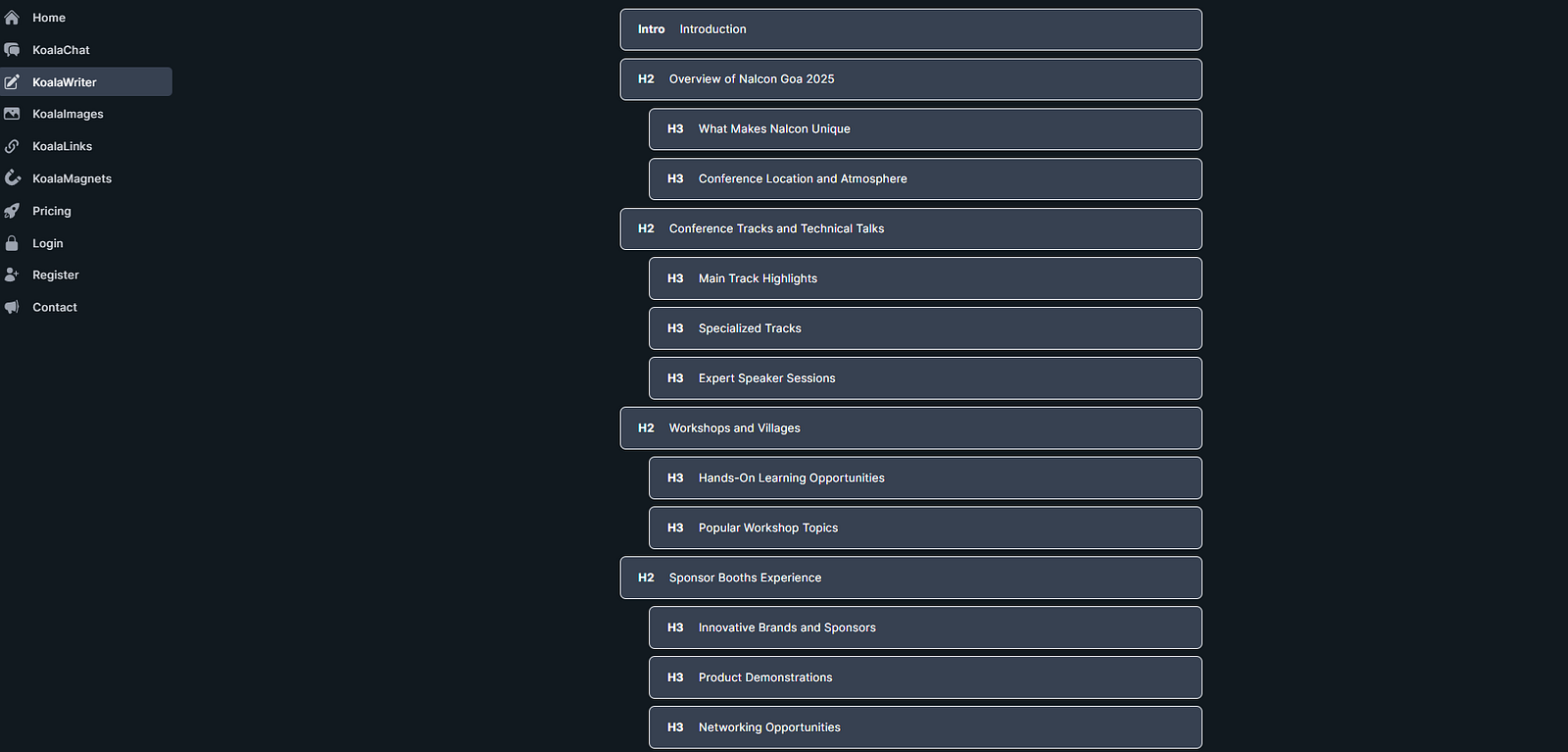
I saw this happen when I leaned too heavily on bulk article generation without rewriting the insights myself. Even strong tools like Koala AI or Rankioz can produce content that feels “SERP-aligned” but lacks original perspective if you publish it as-is.
What fixed it:
Using AI for structure and drafts, then rewriting intros, examples, and conclusions based on my own experience. Rankings improved once the content stopped feeling interchangeable with competitors.
2. Over-optimizing based on scores instead of intent
Several SEO platforms push optimization scores aggressively. It’s tempting to chase 90+ scores by stuffing in every suggested term.
Tools like Surfer SEO and Rankability are powerful, but when I followed every recommendation blindly, the content became bloated and harder to read.
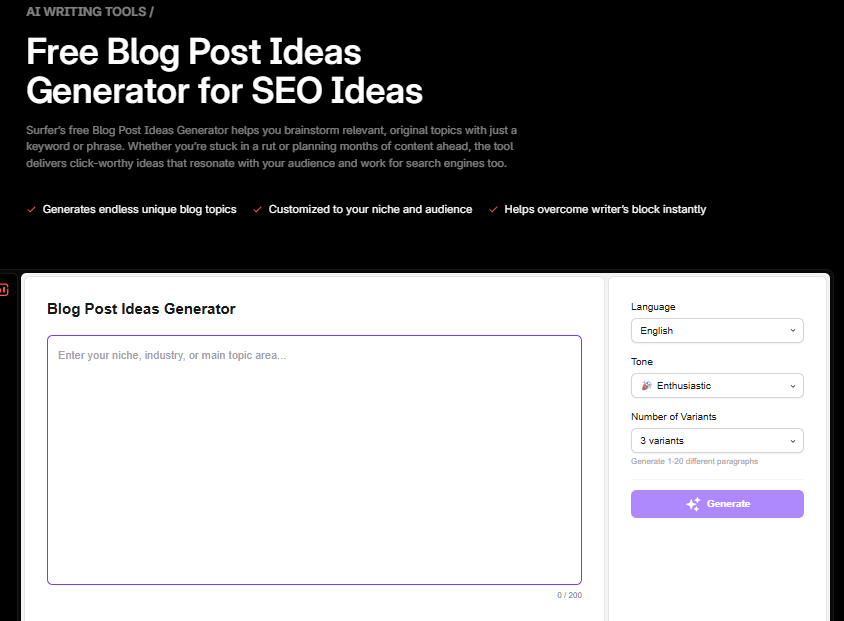
In a few cases, pages that were ranking well dropped after “over-optimization.”
What fixed it:
I started treating optimization suggestions as signals, not rules. If a term didn’t naturally fit the reader’s intent, I skipped it, even if the score went down. Rankings stabilized once readability came first.
3. Letting automation publish without human review
Some platforms make it easy to go fully hands-off: research → write → optimize → publish.
Tools like Rankioz and Search Atlas offer agent-led workflows that are incredibly powerful, but they can also amplify mistakes fast if you don’t supervise them.
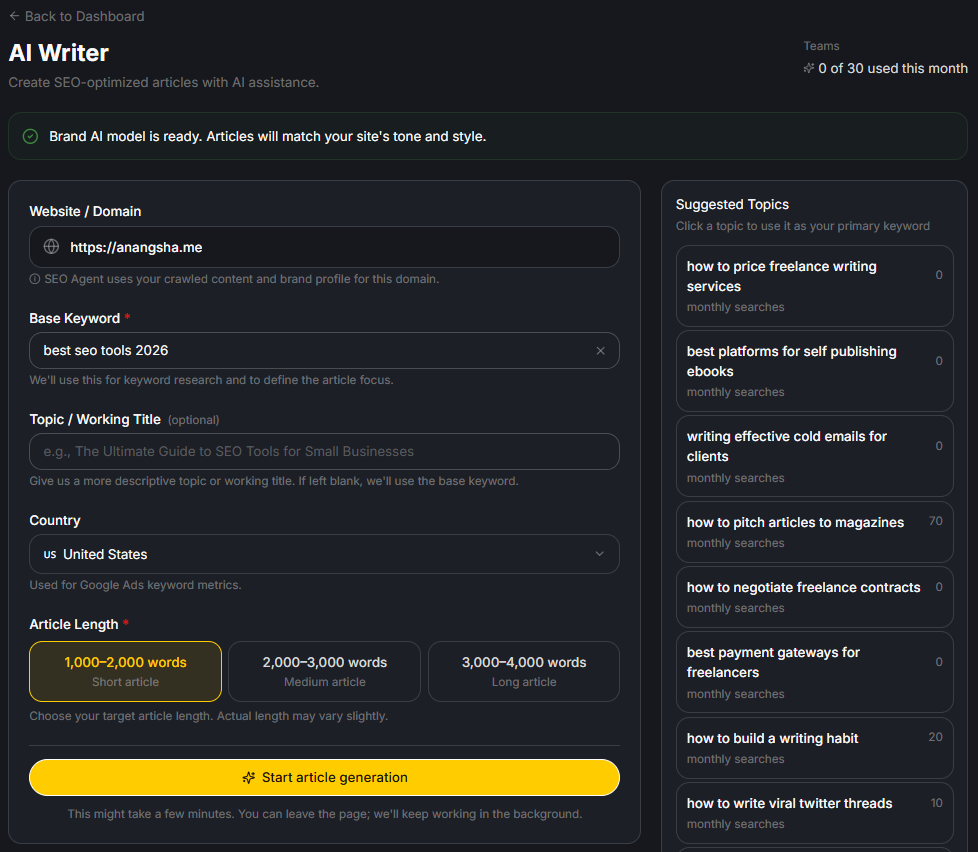
I tested auto-publishing on a small set of pages and saw inconsistent tone, duplicated ideas, and weaker engagement signals.
What fixed it:
Keeping humans in the loop. Automation handled drafts and audits, but final publishing always went through manual review. Engagement metrics improved almost immediately.
4. Ignoring brand voice while chasing scale
AI tools are great at sounding “correct.” They’re not great at sounding like you unless you train and guide them carefully.
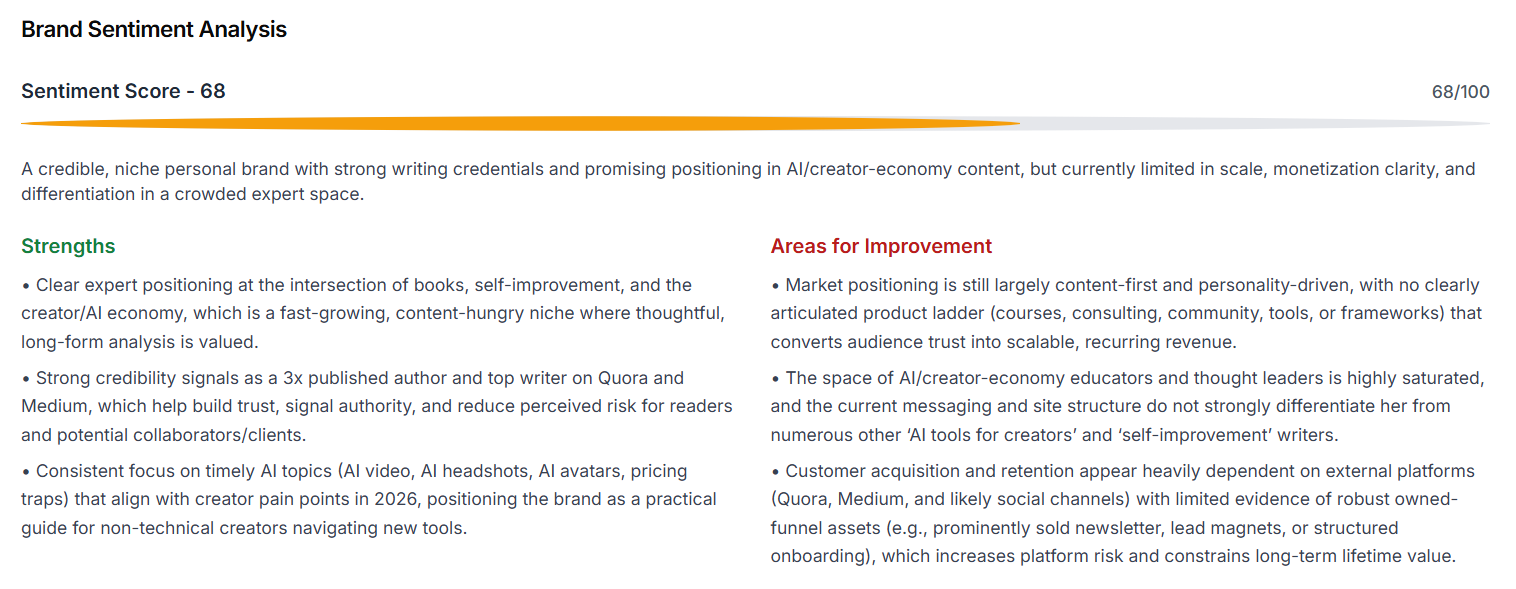
Without brand constraints, even good tools can dilute voice across your site. I noticed this most clearly when testing generic AI writers versus brand-aware platforms like Rankioz.
When tone drifted, bounce rates increased, even if rankings didn’t immediately crash.
What fixed it:
Locking voice guidelines early and editing for consistency. SEO isn’t just about being found, it’s about being trusted once someone clicks.
5. Treating AI as strategy instead of execution support
The biggest ranking issues didn’t come from bad tools. They came from bad assumptions.
Whenever I expected AI to:
- choose the right keywords
- decide content priorities
- replace judgment
results suffered.
The tools that performed best: Indexly, Keywordly, and RankIQ worked because they supported decisions, not replaced them. They surfaced gaps, patterns, and opportunities. The strategy still came from me.
So, can AI SEO tools hurt rankings?
Yes, if you let them replace thinking.
But used correctly, they do the opposite. They:
- reduce busywork
- clarify SERP expectations
- surface blind spots
- speed up execution
The difference isn’t the tool. It’s the workflow.
The rule I follow now
I use AI SEO tools to answer these questions:
- What are competitors covering that I’m not?
- Where am I over- or under-explaining?
- Which pages deserve optimization effort?
I never use them to answer:
- What should I believe?
- What should my audience care about?
- What’s “good enough” to publish?
That line is what keeps AI from hurting rankings, and turns it into a genuine advantage in 2026.
Affiliate disclosure: This article contains affiliate links. If you purchase a subscription through these links, I may earn a small commission at no extra cost to you. Thank you for supporting my work!