Free vs Paid AI Image Generators in 2026: What Actually Makes a Difference
I tested free and paid AI image generators in 2026. Here’s what really makes a difference once revisions, text, and client work enter the picture.


Free AI image generators have never been better.
In 2026, you can generate posters, illustrations, thumbnails, and even edited selfies without paying a rupee. Tools like Gemini and Nano Banana Pro make it feel almost irresponsible not to try free options first.
But after testing 30+ AI image generators on real creator and client workflows, I’ve learned something important:
The gap between free and paid tools doesn’t show up in the first image.
It shows up in the second, third, and fourth revision.
This article breaks down what actually separates free and paid AI image generators in 2026, with real examples from tools I’ve tested hands-on.
1. Output Quality: First Impressions vs Final Deliverables
Free tools are excellent at first impressions. Paid tools are better at final outputs.
Free example: Gemini/Nano Banana Pro
When I used Nano Banana Pro inside Gemini to generate a poster for an alumni meet, the first result looked great. The layout was clean, the composition made sense, and the text placement was impressive.
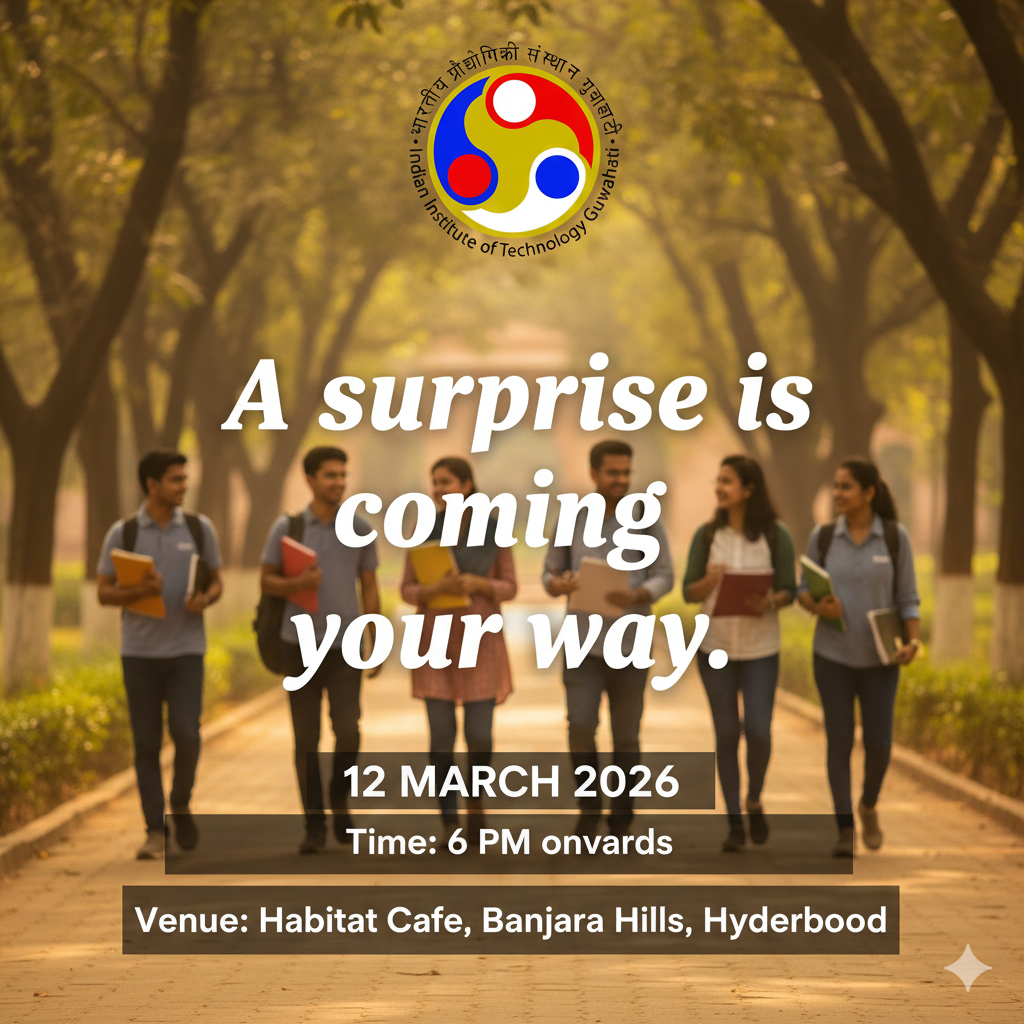
But when I looked closely:
- the Hindi version had spelling and phrasing errors
- the image needed prompt tweaks to fix smaller details
- a watermark appeared, limiting commercial use
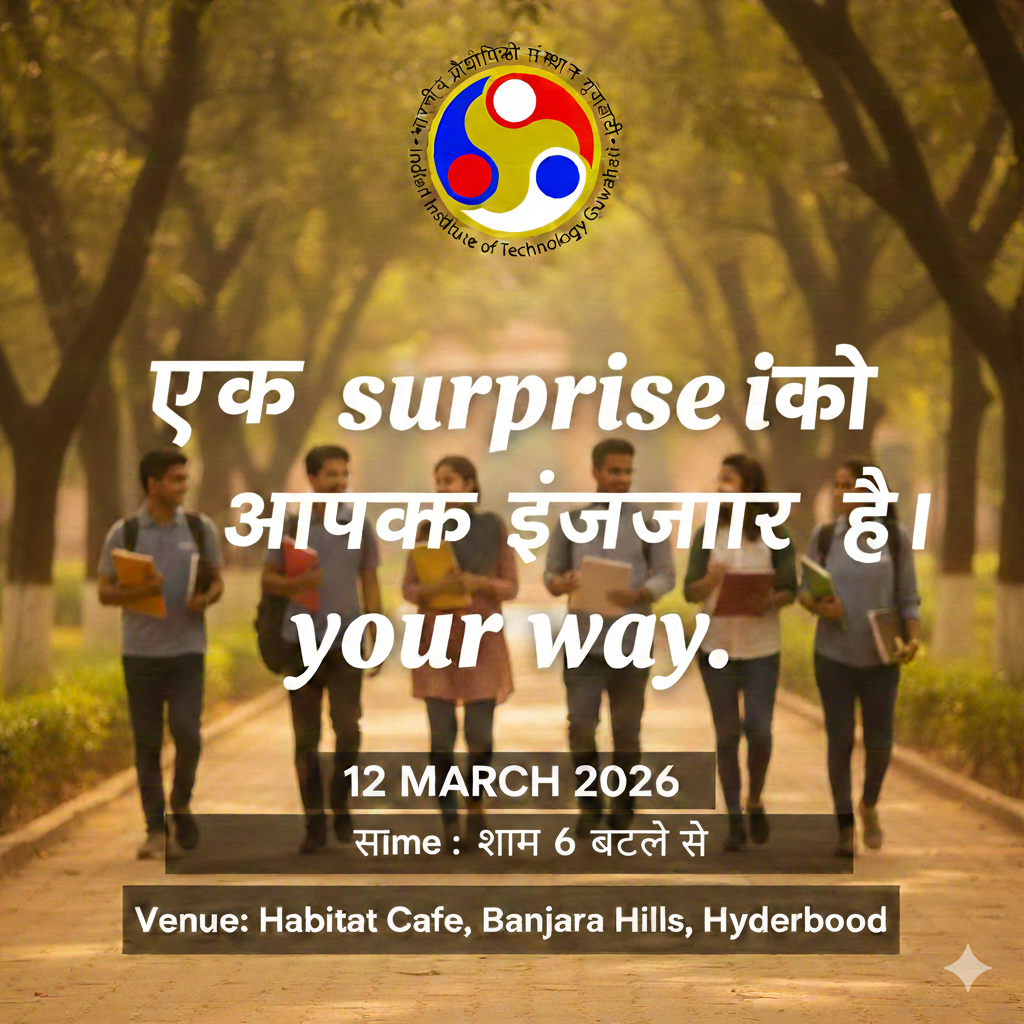
The output was a strong draft, not a finished asset.
Paid example: Fiverr
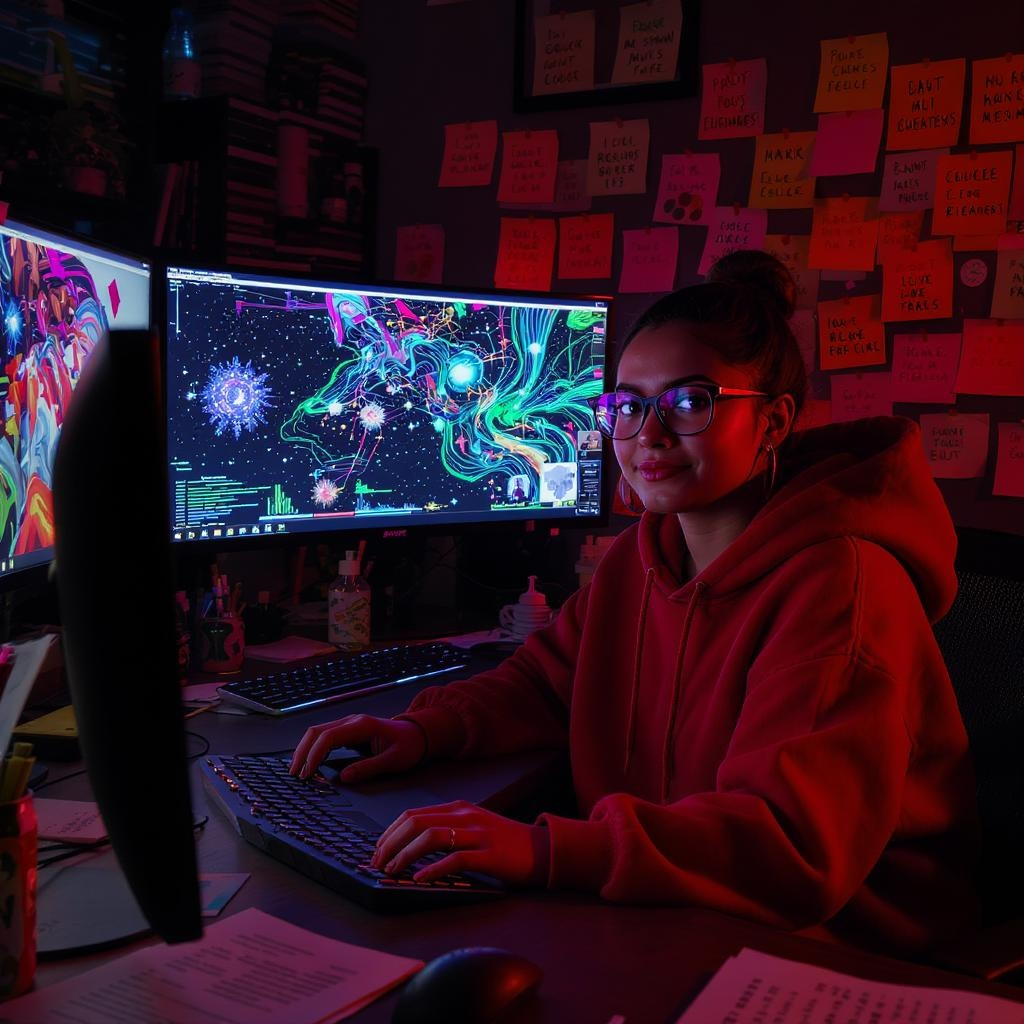
In contrast, when I ordered AI-generated images via Fiverr, the output arrived:
- polished
- context-aware
- ready to publish
The human freelancer corrected proportions, mood, and framing: things AI often misses. I didn’t need to explain or justify the image to anyone.
Difference that matters:
At first glance, free tools impress. But when it comes to edits and revisions, paid tools save you from back-and-forth.
2. Editing & Revisions: Where Free Tools Start to Break
Client work almost always involves revisions.
“If we change the background…”
“Can this be more subtle?”
“Same image, but different vibe.”
Free tools: Regenerate or retry
With free tools like Gemini:
- edits often mean regenerating the entire image
- character consistency can drift
- text on image almost always has errors
- multiple attempts are needed to get close
This is fine for experimentation, but inefficient under deadlines.
Paid tools: Targeted control
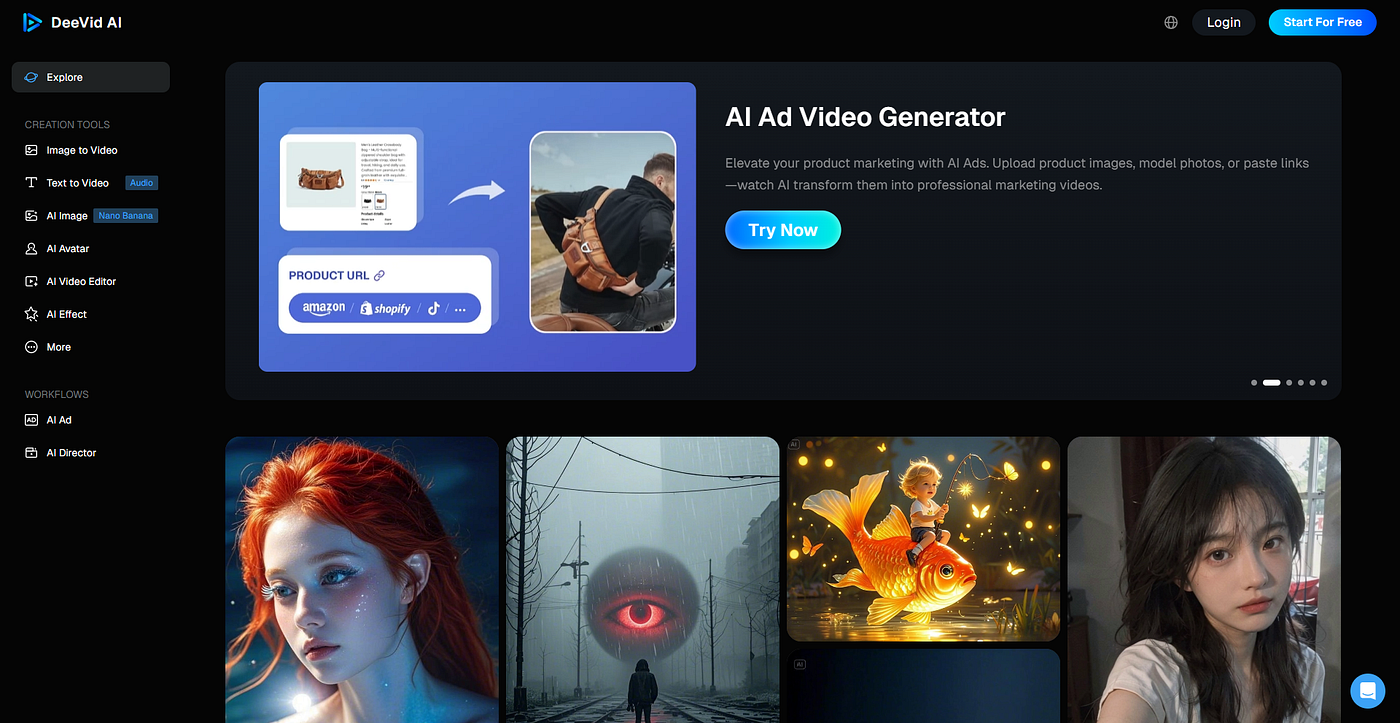
When I tested DeeVid AI, editing was built directly into the workflow:
- inpainting (edit one section only)
- outpainting (expand scenes without restarting)
- object removal without losing composition
I didn’t have to start over, I could refine.
Difference that matters:
Free tools are good to play around with and experiment. When it comes to deadline-based work, paid tools deliver.
3. Text Accuracy: The Hidden Dealbreaker
Text inside images is where many AI tools still struggle.
Free tools: Looks right until it doesn’t
Nano Banana Pro performs better than most when it comes to text placement and layout, which is why it’s excellent for:
- posters
- infographics
- announcement graphics
But as I saw in my alumni poster test, text can still break:
- incorrect spelling
- awkward phrasing
- multilingual issues
Every image needs manual review.
Paid tools: Less correction required
With Fiverr or paid design workflows, text accuracy improves because:
- humans catch errors instantly
- layout is adjusted intentionally
- typography is treated as design, not decoration
Difference that matters:
Free tools draft text. Paid tools finalize it.
4. Consistency: One Image vs a Brand System
Free tools are great at one-off images. Paid tools are better at sets.
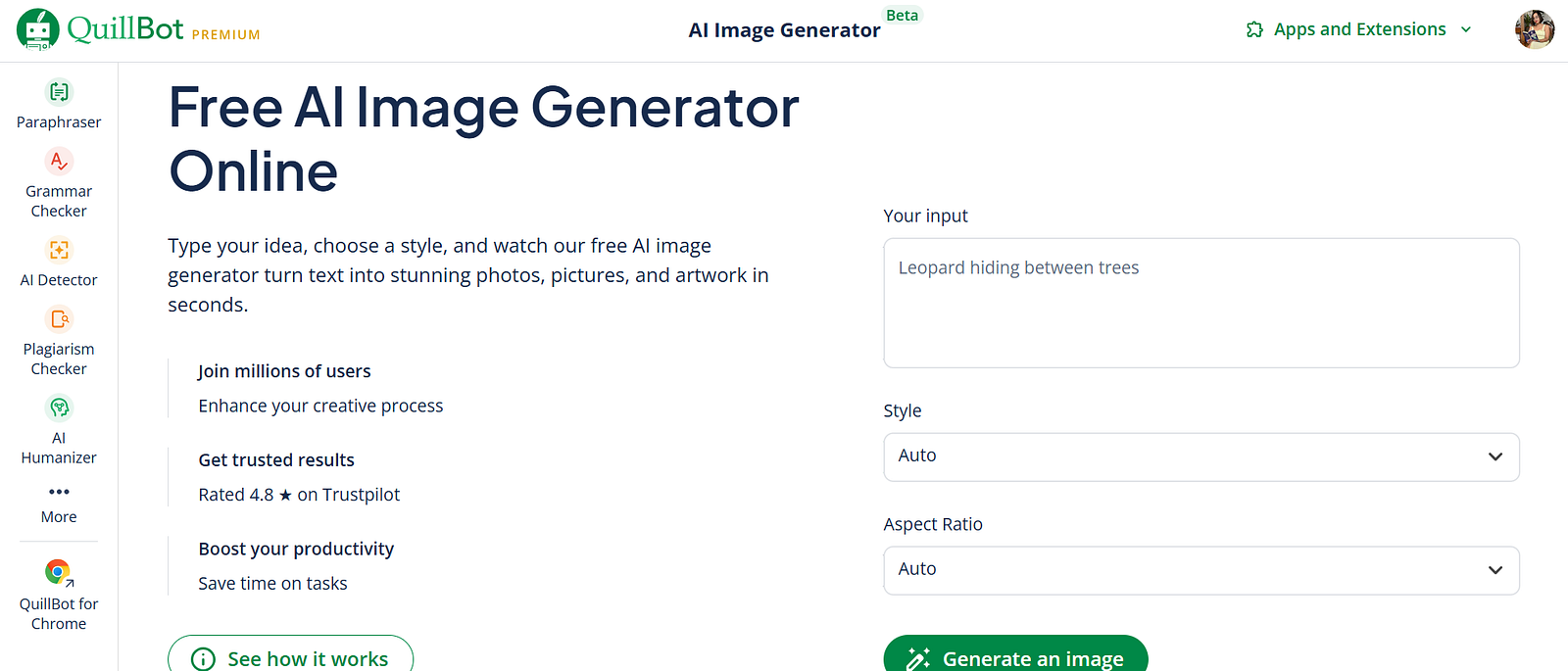
When I tested tools like QuillBot and Gemini, I noticed:
- styles can vary across regenerations
- characters subtly change
- mood drifts across aspect ratios
That’s fine for blog headers or social posts.
But when you need:
- a LinkedIn carousel
- a campaign set
- multiple images with the same visual identity
Free tools start to feel unreliable.
Paid tools, especially those involving human input or model control, handle consistency far better.
5. Commercial Readiness: The Final Filter
This is where the free vs paid decision becomes obvious.
Before using any image for client work, I ask:
- Is there a watermark?
- Are commercial rights clear?
- Would I feel safe using this in a paid project?
Free tools
- Often include watermarks
- Have unclear or changing usage terms
- Are best treated as draft generators
Paid tools
- Clearly allow commercial use
- Offer higher resolution outputs
- Reduce legal and ethical ambiguity
This is why I might start with a free tool, but finish with a paid one.
My 2026 Rule of Thumb
After extensive testing, here’s how I decide:
- Use free AI image generators when:
- you’re experimenting
- you’re learning prompts
- you need quick drafts or ideas
- the image is not client-facing
- Use paid AI image generators when:
- revisions matter
- text must be accurate
- consistency is required
- the image represents a brand or business
Free AI image generator tools are incredible in 2026, but they're starting points, not end points.
If you want to see which tools actually passed my real-world testing, and why, I’ve documented everything here:
👉 The AI image generators that actually matter in 2026
Final thought
The question in 2026 isn’t “Can AI generate good images for free?"
It’s “How much time, risk, and cleanup are you willing to absorb?”
Once client work enters the picture, that answer changes fast.
Affiliate disclosure: This article contains affiliate links. If you purchase a subscription through these links, I may earn a small commission at no extra cost to you. Thank you for supporting my work!