Why AI Humanizers Fail AI Detectors
AI humanizers can improve readability, but they often fail AI detectors. Here’s why humanized AI text still gets flagged and what my detector tests revealed.


AI humanizers sound like they should solve one simple problem.
You paste AI-generated text, the tool rewrites it, the final version sounds human, and then AI detectors should stop flagging it.
But after testing several AI humanizers against different AI detectors, I realized the reality is much messier.
- Some AI humanizers can bypass one detector but fail another.
- Some improve the writing quality but still get flagged.
- Some produce better AI scores, but the writing itself becomes awkward.
So why does this happen?
Why do AI humanizers fail AI detectors even when they claim to make AI text sound human?
Let’s break it down.
Quick answer: Why do AI humanizers fail AI detectors?
AI humanizers fail AI detectors because every AI detector looks for different writing patterns.
One detector may focus on sentence predictability.
Another may look at structure, word choice, rhythm, or statistical patterns.
That means the same humanized text can pass one detector and fail another.
In my own test, this happened clearly.
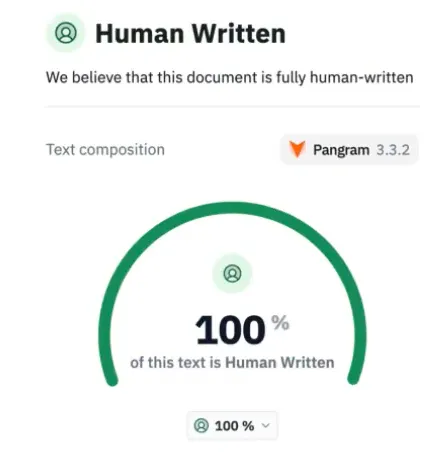
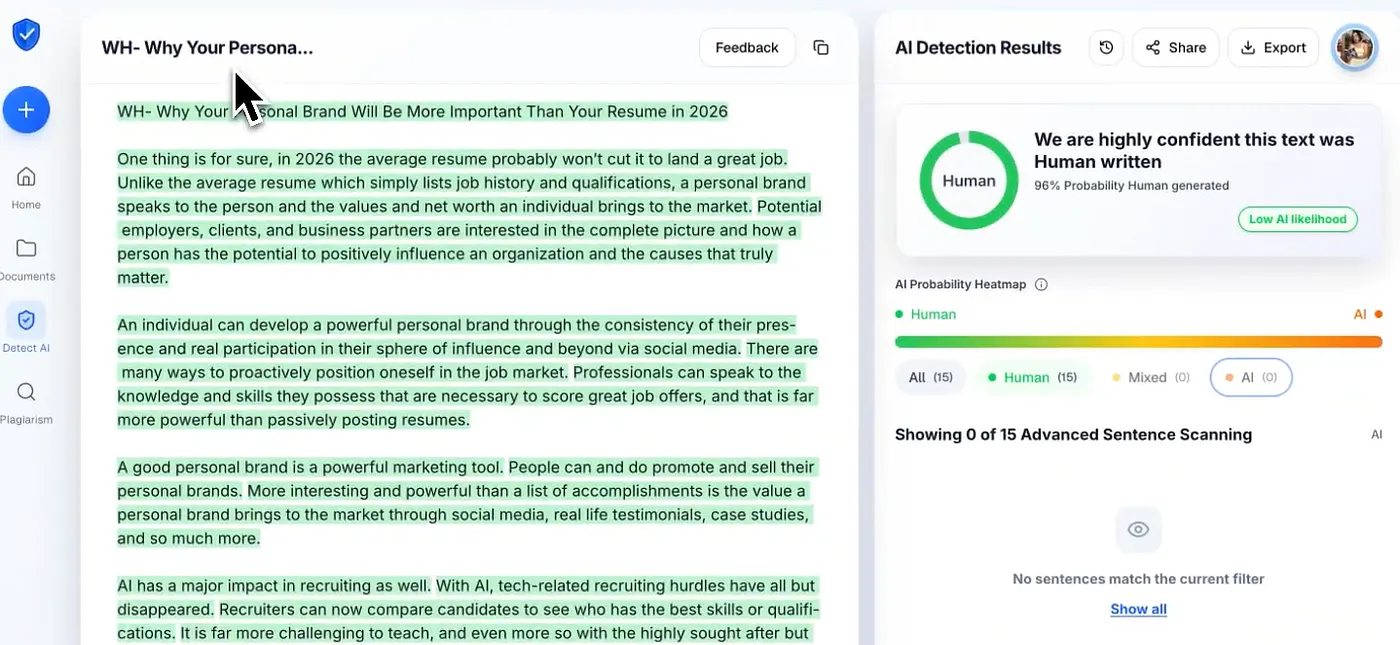
WriteHuman successfully bypassed both Pangram Labs and Quetext.
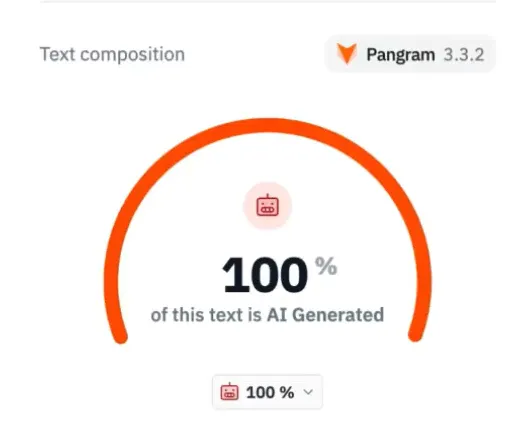
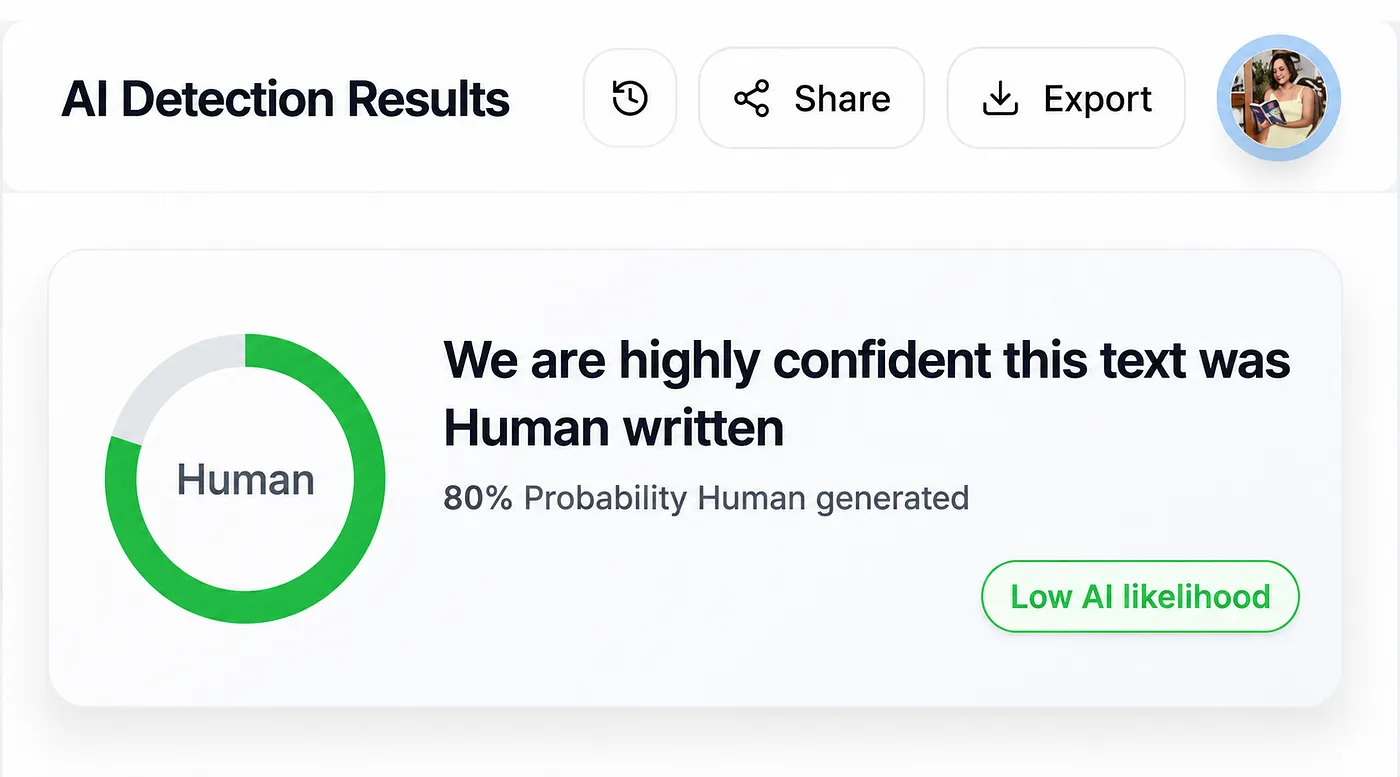
GPTHuman failed Pangram Labs, but performed much better on Quetext.
HumaLingo failed both detectors.
Undetectable AI improved the result slightly on Quetext, but still failed Pangram Labs.
This shows that there is no universal standard for what “human writing” looks like.
AI detectors don’t all work the same way
The biggest reason AI humanizers fail is that AI detectors don’t all measure the same thing.
Most people assume AI detectors simply ask: “Was this written by AI?”
But behind the scenes, different detectors may look at different signals. These can include:
- repetitive phrasing
- predictable sentence structure
- unnatural transitions
- overly balanced paragraphs
- lack of personal experience
- statistical writing patterns
- generic vocabulary
- unusual consistency in tone
This is why one detector may say a piece is human while another detector flags it as AI-generated.
That happened in my test with GPTHuman.
The GPTHuman output came back as 100% AI-generated on Pangram Labs, but Quetext gave it an 80% probability of being human-generated.
Same text.
Two different detectors.
Two very different results.
That’s why I don’t think anyone should treat AI detection scores as absolute truth.
Humanizing text is not the same as making it undetectable
A lot of AI humanizers improve the surface of the writing. They may:
- replace repeated words
- shorten long sentences
- change sentence order
- remove common AI phrases
- improve flow
- make the tone more casual
This can absolutely make the writing better.
But better writing does not always mean undetectable writing.
A detector may still find underlying patterns that look AI-generated.
For example, a paragraph can sound smoother after humanization, but still have the same predictable structure underneath.
That’s why an AI humanizer can make content more readable and still fail a detector.
This is also why I think AI humanizers should be treated as editing tools, not magic bypass tools.
Some humanizers rewrite too lightly
One reason AI humanizers fail is that they don’t change enough.
They may swap a few words or slightly rearrange sentences, but the core structure of the AI-generated text remains the same.
If the detector is looking at deeper patterns, light rewriting won’t be enough.
This is often why a text can look different to the human eye but still get flagged by an AI detector.
The detector may not care that a few words changed.
It may still recognize the same rhythm, structure, or predictability.
That is why light paraphrasing is rarely enough if the original draft was obviously AI-generated.
Some humanizers rewrite too aggressively
The opposite problem also happens.
Some tools rewrite so aggressively that the output no longer sounds like you.
They may change the meaning.
They may add awkward phrases.
They may overcomplicate simple sentences.
They may make the text less readable just to avoid detection patterns.
This creates another problem.
Even if the AI score improves, the writing quality suffers.
And honestly, that defeats the purpose.
A “human” score means very little if the final text sounds unnatural, unclear, or disconnected from the original idea.
This is why I care more about meaning preservation than a perfect detector score.
AI detectors keep changing
Another reason AI humanizers fail is that AI detectors are constantly updating.
A humanized article that passes today may fail next month.
Detectors evolve as AI writing evolves.
Humanizers then try to adapt.
Then detectors adapt again.
It becomes a constant back-and-forth.
That’s why no AI humanizer can honestly guarantee permanent results across every detector.
Even if a tool performs well in one test, that does not mean it will always perform the same way.
The model, detector, text type, topic, writing style, and length can all affect the result.
Example: WriteHuman passed both detectors
In my test, WriteHuman performed the best for AI detector bypass.
When I tested the WriteHuman output on Pangram Labs, it received a 100% human score.
When I tested the same output on Quetext, it received a 96% probability of being human-generated.
That made WriteHuman the strongest tool in this particular test.
But even then, I wouldn’t say WriteHuman can guarantee perfect results every time.
The result only tells us that it performed best on that specific text against those specific detectors.
That’s useful.
But it’s not universal proof.
Example: GPTHuman had better writing quality but failed one detector
GPTHuman was the most interesting case for me.
It failed Pangram Labs completely, coming back as 100% AI-generated.
But on Quetext, the same output received an 80% probability of being human-generated.
So from a bypass perspective, the result was mixed.
But from a writing-quality perspective, I actually liked GPTHuman a lot. It preserved the original meaning well, kept the formatting clean, sounded natural, and didn’t destroy the structure of the text.
This is why I think AI humanizers should not be judged only by detector scores.
Sometimes the tool that gives you the best writing may not be the tool that gives you the best AI detection score.
Example: HumaLingo failed both detectors
HumaLingo was weaker in this specific test.
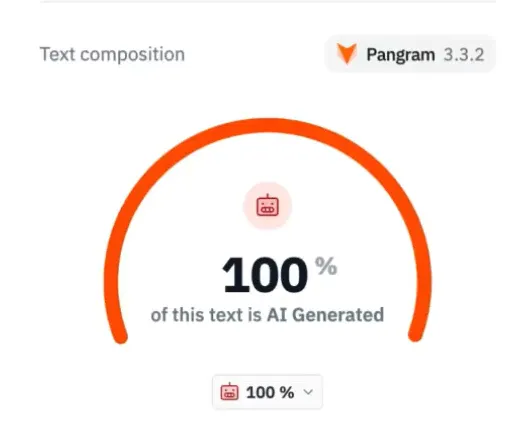
The output came back as 100% AI-generated on Pangram Labs.
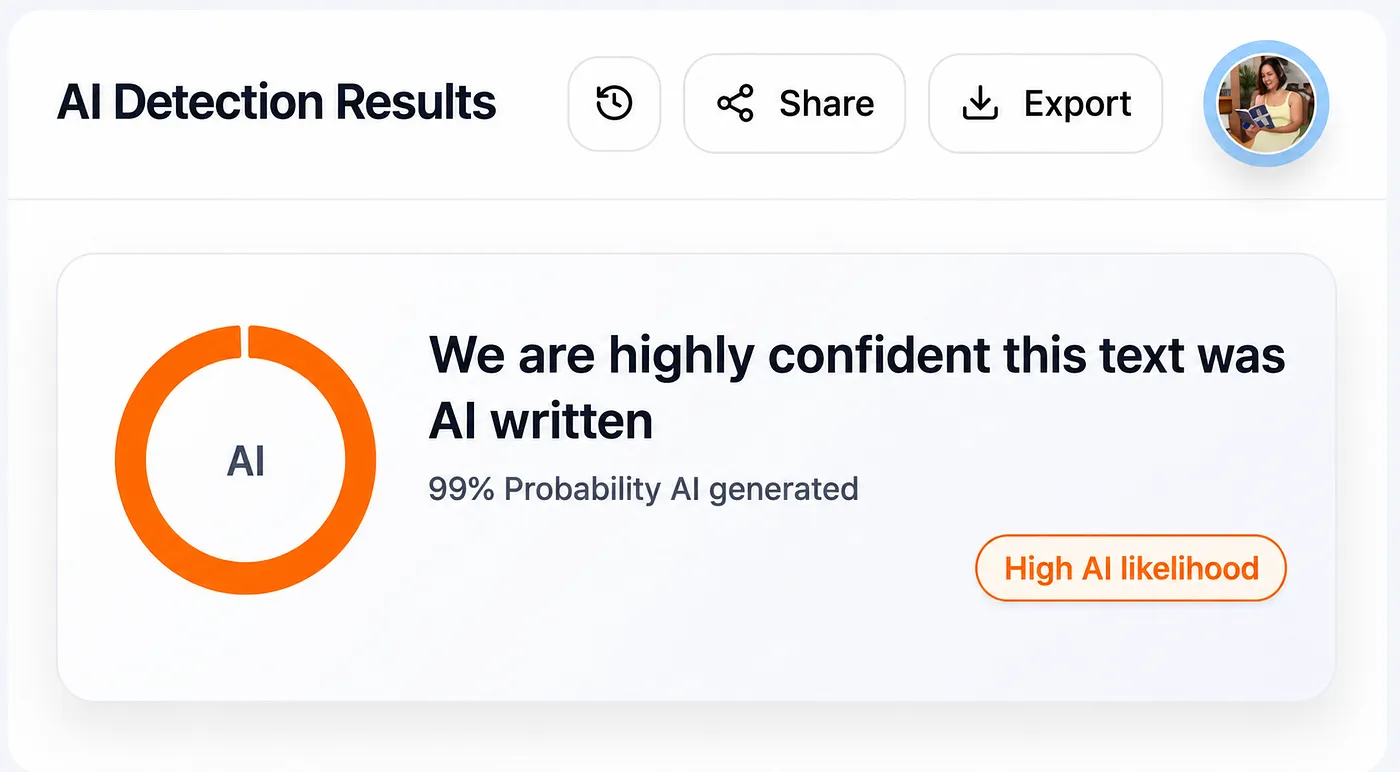
It also showed a 99% probability of being AI-generated on Quetext.
So in this case, it failed both detectors.
One issue I noticed was formatting.
Compared to GPTHuman, which kept paragraph structure intact, HumaLingo removed a lot of the formatting.
That made the output less convenient to use.
This is a good reminder that “humanization” is not just about changing words.
A good tool also needs to preserve readability, formatting, and structure.
Example: Undetectable AI partially improved the score
Undetectable AI gave a mixed result.
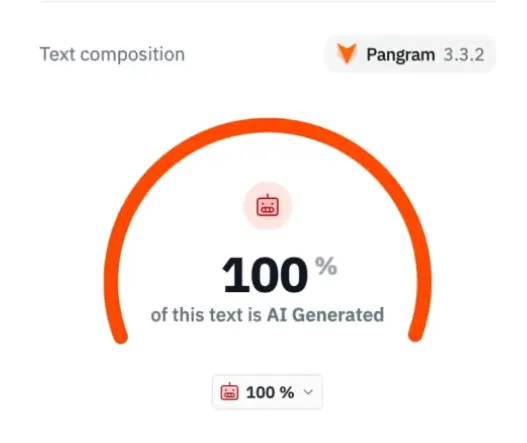
On Pangram Labs, the output still came back as 100% AI-generated.
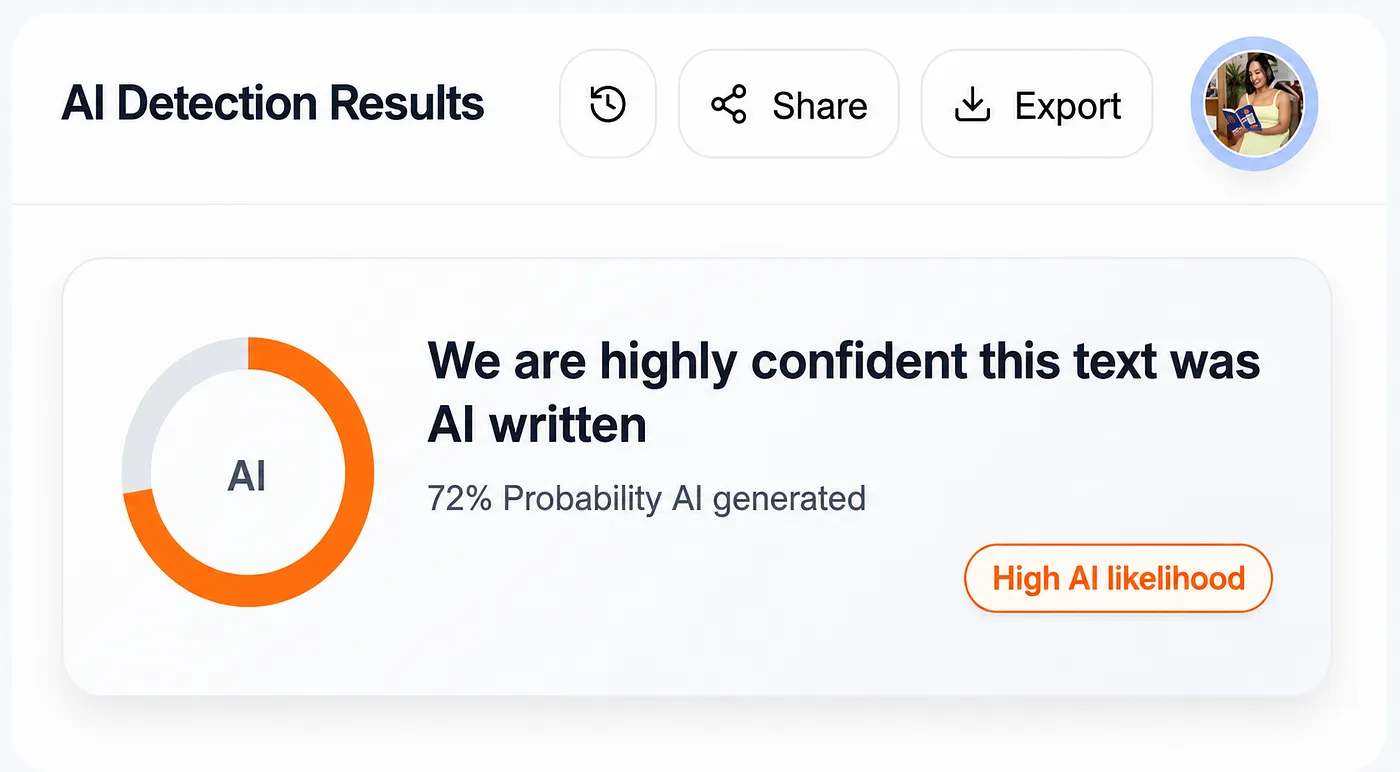
On Quetext, the result improved, but it still showed a 72% probability that the text was AI-generated.
So the tool helped a little, but not enough to fully bypass detection in my test.
It may perform differently with premium modes or different types of content, but based on this test, the result was inconsistent.
So, do AI humanizers actually work?
Yes, but not always in the way people expect.
AI humanizers can work well for improving readability.
They can make AI writing sound:
- less stiff
- less repetitive
- more natural
- easier to read
- closer to your intended tone
But they cannot guarantee detector bypass.
That distinction matters.
If you use AI humanizers as editing assistants, they can be very useful.
If you use them as a guaranteed way to beat every AI detector, you will probably be disappointed.
What should you focus on instead?
Instead of chasing a perfect “human” score, I’d focus on three things:
1. Does the output preserve the meaning?
If the humanized text changes what you were trying to say, it’s not a good output.
2. Does it sound natural to a real person?
Read it out loud. If it sounds awkward, forced, or overly polished, edit it manually.
3. Does it add anything human?
Personal experience, examples, opinions, transitions, and judgment matter more than word replacement.
AI humanizers can help, but your final edit is what actually makes the writing stronger.
Final verdict
AI humanizers fail AI detectors because AI detection is inconsistent, detector models look for different signals, and rewriting text does not always remove deeper AI-writing patterns.
That’s why the same humanized text can pass one detector and fail another.
In my test, WriteHuman performed best for AI detector bypass.
GPTHuman produced some of the best writing quality.
HumaLingo failed both detectors.
Undetectable AI showed partial improvement but remained inconsistent.
So, my advice is simple:
Use AI humanizers to improve writing quality.
Do not rely on them as guaranteed AI detector bypass tools.
A good detector score is nice.
But clear, useful, human-sounding writing matters more.
FAQs
Why do AI humanizers fail AI detectors?
AI humanizers fail because different AI detectors look for different writing patterns. A text can pass one detector and fail another.
Can AI humanizers bypass AI detectors?
Yes, some AI humanizers can bypass some detectors, but results are inconsistent. No tool can guarantee success across every detector.
Why did the same text get different AI detection scores?
Different detectors use different models and scoring systems. That means the same humanized text can receive completely different results.
Are AI humanizers worth using?
Yes, if your goal is to improve readability, reduce robotic phrasing, and edit AI-assisted drafts faster. But they should not be treated as guaranteed bypass tools.
What is more important: writing quality or AI score?
Writing quality is more important. A perfect detector score does not matter if the final text sounds awkward or loses the original meaning.
Should I manually edit humanized AI text?
Yes. Always review and edit the final output manually before publishing, submitting, or sending it to a client.